
By Hassan Hussain
A community-driven healthcare financing initiative has produced 138 Ethical Health Financing, EHF, institutions across five northern states. The institutions are improving access to health insurance, upgrading health facilities, and supporting healthcare services for vulnerable Nigerians.
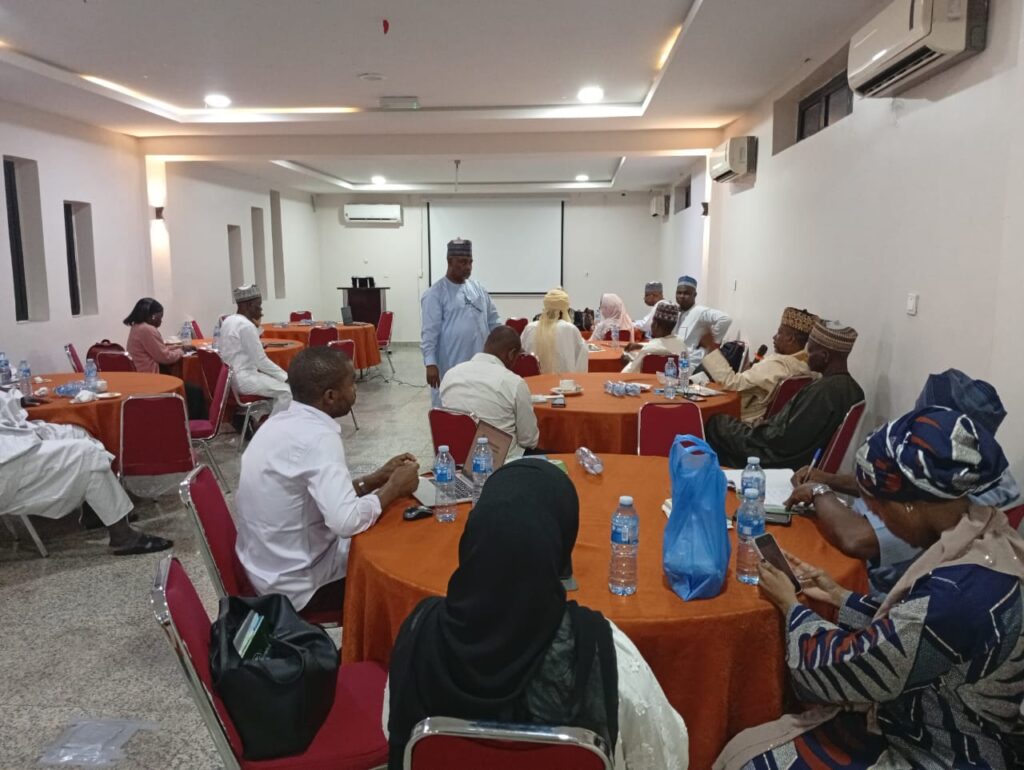
The achievement was unveiled at a one-day dissemination workshop on Ethical Health Financing organised by the Nigeria-UK-supported Lafiya Programme in Abuja.
The workshop provided a platform for stakeholders to review the impact of the initiative and discuss strategies to sustain the gains beyond donor support.
The National Team Leader of the Lafiya Programme, Dr. Usman Gwarzo, said the initiative, which started as an experimental idea in 2020, has grown into a strong community-based health financing model operating across 138 local government areas in Kano, Kaduna, Jigawa, Borno, and Yobe states.
Dr. Gwarzo said the success of the programme has challenged earlier doubts about the ability of communities to independently mobilise and manage resources to improve healthcare delivery.
He explained that funds generated through the community institutions are being used for health insurance enrolment, training of healthcare workers, procurement of medical equipment, renovation of health facilities, and construction of healthcare infrastructure.
According to him, communities are now playing a direct role in strengthening primary healthcare services.
The workshop also witnessed the unveiling of an Ethical Health Financing Toolkit and Advocacy Kit designed to support the adoption of the model by states and organisations outside the Lafiya Programme’s operational areas.
The District Head of Maisandari in the Borno State Council of Emirates, Alhaji Abba Bukar, said the programme has shown that communities can collectively support women, children, and persons living with disabilities through innovative financing approaches.
He stressed the need to sustain the initiative by strengthening partnerships among community leaders, religious institutions, government agencies, and the National Health Insurance Authority.
Stakeholders at the event expressed optimism that the model could be expanded nationwide to create a network of community-owned health financing institutions. They described the initiative as a major breakthrough in addressing Nigeria’s healthcare financing challenges, especially in rural communities.
They agreed that the next step is to ensure the sustainability and expansion of the initiative so that more Nigerians, especially vulnerable groups, can continue to benefit.
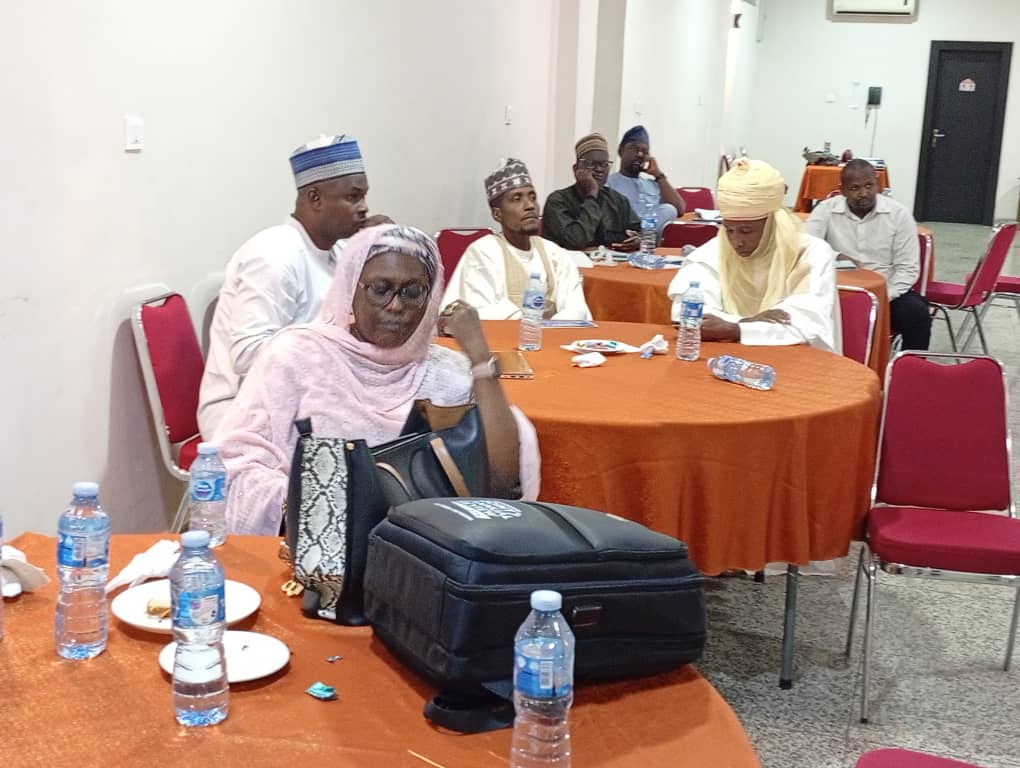
Participants at the workshop also discussed strategies for institutionalising the model through investment, resource mobilisation, networking, and community ownership.
They noted that healthcare financing should not depend solely on government funding and external support, adding that organised communities can become active partners in improving healthcare delivery.
