
By Hassan Hussain
Medical and legal experts have called for stronger legislation, effective regulation and improved accountability in Nigeria’s health sector to ensure quality healthcare delivery, protect patients’ rights and strengthen institutional governance.
They made the call at the 2026 National Medical and Health Law Conference and induction of new members organised by the Institute of Medical and Health Law, IMHL, in Abuja.
The two-day conference, held from November 23 to 24, had as its theme, “Navigating Health Sector Governance and Reforms in the 21st Century: Imperatives for Executive and Legislative Action.”
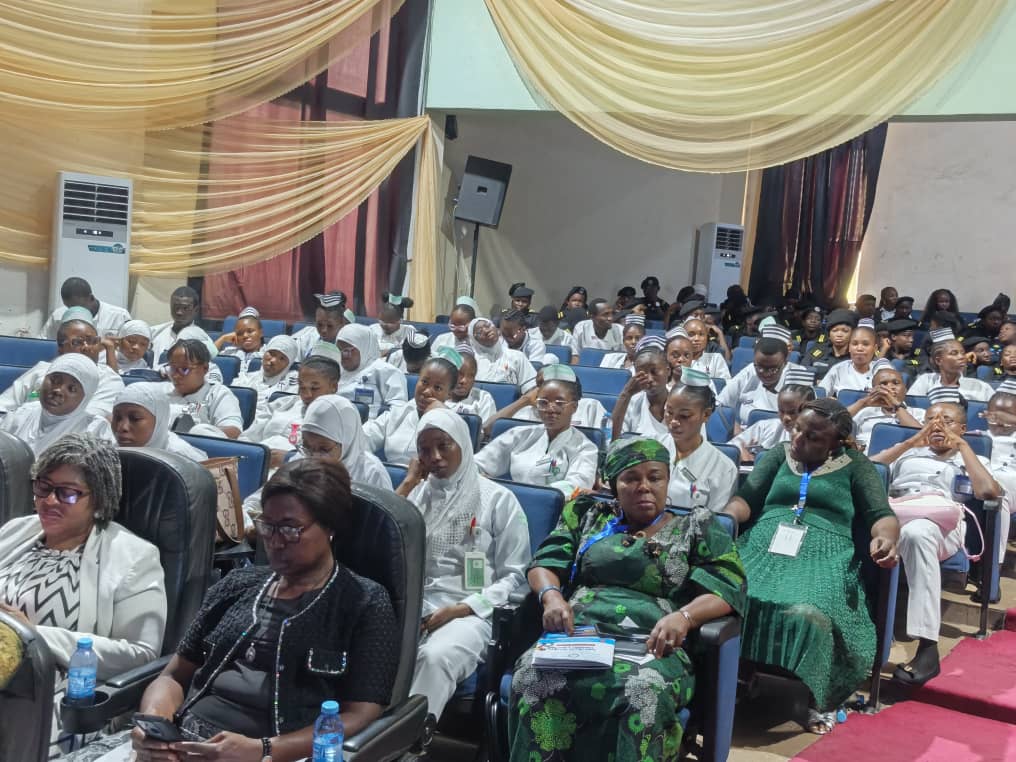
Speaking at the event, the Vice-Chancellor of the University of Abuja, Professor Hakeem Babatunde Fawehinmi, who was inducted as a member of the institute, described medicine and law as interconnected professions requiring closer collaboration to address ethical and professional challenges in healthcare delivery.
Professor Fawehinmi identified medical ethics, forensic medicine and assisted reproductive technology as critical areas where legal and medical practitioners must work together to safeguard human dignity and promote responsible professional practice.
He emphasised the importance of partnerships and knowledge-sharing among professionals, regulatory institutions and academic communities, noting that such collaboration would promote better understanding of emerging challenges and provide practical solutions to issues affecting the health sector.
The Vice-Chancellor also urged students and young professionals to pursue academic excellence and uphold professional standards.
In his remarks, the Director-General of the Institute of Medical and Health Law, Professor Uwakwe Abugu, said Nigeria’s changing healthcare needs required a stronger legal and institutional framework to protect human lives, guarantee patients’ rights and ensure accountability.

Professor Abugu observed that advances in medical technology, emerging public health threats and changing patient expectations had made it necessary to review existing laws and institutions regulating healthcare delivery.
He maintained that the strength of any health system depended not only on the laws governing it but also on the capacity of institutions to enforce those laws and hold healthcare professionals accountable.
Professor Abugu identified health financing, equitable access to quality healthcare, patient autonomy, medical negligence, professional discipline, digital health and emerging medical technologies as areas requiring urgent attention.
He warned that legislation without effective implementation, regulation without adequate institutional capacity and policies without sustainable financing and measurable accountability would achieve little.
The IMHL Director-General stressed that the success of healthcare governance should be measured by the ability of ordinary Nigerians to access safe, affordable, equitable and dignified medical services.
He further called for a legal framework that would encourage medical innovation while ensuring professional independence and adequate protection of the public.
In his presentation, a Professor of Law at the University of Ilorin and Deputy Director-General of IMHL, Professor Bashiru Omipidan, called for stronger collaboration between the Executive and Legislative arms of government to address Nigeria’s economic challenges and emphasised the need for a coordinated approach to economic planning and development.
He said effective economic recovery requires deliberate political commitment, proper coordination and proactive measures by relevant government institutions.
The law professor stressed that bringing the Executive and Legislature together would enhance policy formulation and ensure that economic decisions reflect the country’s development priorities.
He identified infrastructure development, public participation and access to relevant information as critical factors that must be considered in efforts to strengthen the economy.
Professor Omipidan expressed optimism that the approach already being adopted was a positive step towards achieving sustainable economic growth.
