
By Danjuma Amodu | April 24, 2026
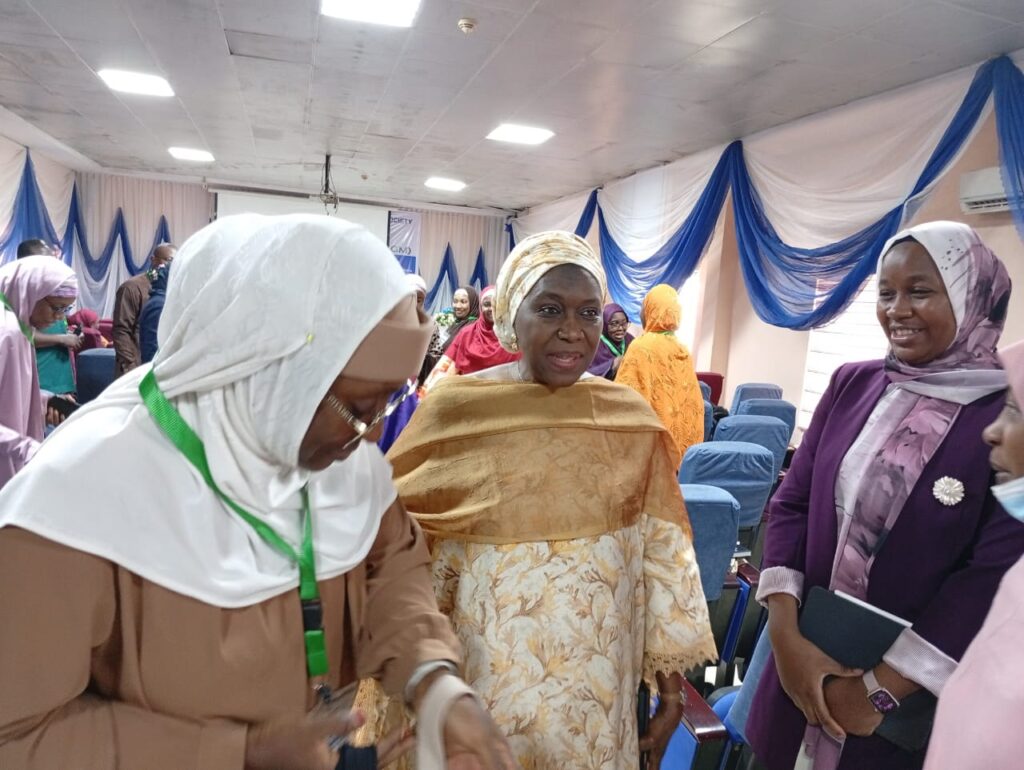
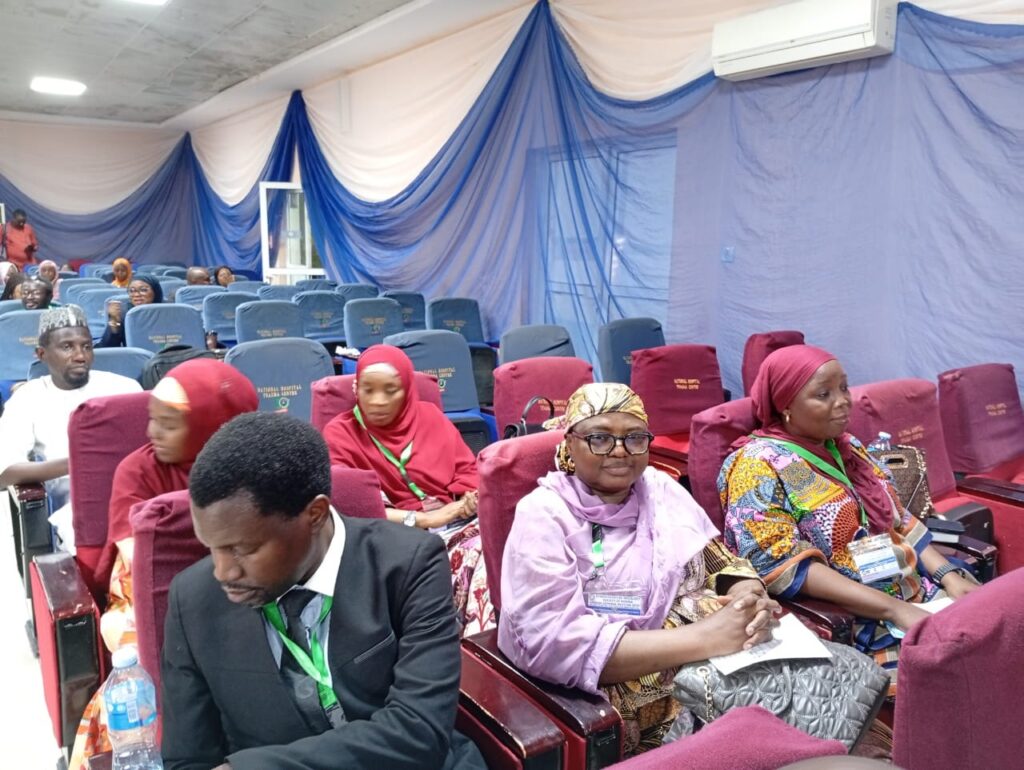
Health experts have called for a unified national response to address the rising burden of gynaecological cancers in Nigeria, following a two-day conference in Abuja that drew participants from across Nigeria and West Africa.
The conference, organised by the Gynaecological Oncology Society of Nigeria (GOSON), focused on strengthening strategies for the prevention, early detection, and treatment of cancers affecting women.
Speaking at the event, Professor Ibrahim Yakasai, President of the West African College of Surgeons and Vice-Chancellor of the Federal University of Health Sciences, Tsafe, Zamfara State, said the forum provided a platform for specialists to share experiences and develop practical solutions.
He explained that the meeting brought together professionals involved in cancer care from countries including Ghana and Sierra Leone to collectively address the challenge.
According to him, discussions centred on major cancers affecting women, such as cervical, ovarian and breast cancers, with a view to evolving strategies to guide governments across the region in improving care.
Prof Yakasai noted that cancer cases have continued to rise over the years, with cervical cancer, cancer of the neck of the womb — remaining the leading cause of cancer-related death among women in Nigeria and the sub-region.
He attributed the high incidence to factors including high childbirth rates, poor uptake of screening services, and late presentation of cases, stressing that many cancers develop gradually over several years before symptoms appear.
While acknowledging the Federal Government’s introduction of the Human Papillomavirus (HPV) vaccine as a form of primary prevention, he expressed concern over the high cost of treatment and inadequate infrastructure.
“Nigeria requires more than 100 functional radiotherapy centres for a population of over 200 million, but currently has fewer than ten,” he said.
He called for intensified awareness campaigns to encourage regular screening, expansion of vaccination programmes for young girls and boys, and urgent investment in treatment facilities. “Establishing at least one well-equipped cancer treatment centre per state or region would significantly improve access to care,” he added.
Dr Habiba Ibrahim Abdullahi, a gynaecologist at the University of Abuja Teaching Hospital, raised concern over Nigeria’s slow progress in tackling gynaecological cancers, attributing the situation to inadequate diagnostic equipment and limited treatment facilities.
She said the gathering of stakeholders aimed to address these gaps and chart a path towards improving outcomes for women, but noted that Nigeria was still lagging behind global standards in both diagnosis and treatment.
Dr Habiba identified cervical cancer as the most common gynaecological cancer among women and stressed that it is preventable through early intervention.
“Primary prevention through the administration of the HPV vaccine to girls before the age of 15 remains a critical step in eliminating the disease,” she said.
She added that secondary prevention involves regular screening for women who may not have received the vaccine, while tertiary prevention focuses on treatment for those already diagnosed.
She lamented the limited availability of radiotherapy and chemotherapy centres, noting that only a few are functional at any given time. This, she said, leads to long waiting queues, high costs of treatment, and, in many cases, preventable deaths.
Dr Habiba revealed that a survey conducted among patients referred for treatment showed that many could not access care due to financial constraints or prolonged delays, forcing some to return home without treatment.
She stressed the need for increased investment in research, particularly genetic studies, to better understand the root causes of cancers such as ovarian cancer.
Genetic testing, including screening for BRCA1 and BRCA2 gene mutations, she explained, could help identify individuals at risk and enable early preventive measures. Such interventions, she added, would also help protect future generations, especially daughters of affected women, by guiding timely medical decisions.
Guest speaker and Secretary of GOSON, Professor Kayode Ajenifuja, called for urgent reforms in gynaecological practice, citing the rising burden of cervical and ovarian cancers, both of which carry high rates of morbidity.
He noted that despite efforts to strengthen training programmes through regional institutions such as the West African College of Surgeons and the National Postgraduate Medical College of Nigeria, the country still faces significant gaps in specialised care.
Prof Ajenifuja questioned whether current practices, often based on data from Western societies, truly reflect the realities of the Nigerian population. He called for more locally driven research to guide policy and treatment, raising the possibility of racial and regional differences in disease patterns and outcomes.
He stressed the need for increased investment in cancer care, noting that most patients in Nigeria currently rely on out-of-pocket payments, which limits access to treatment. “Only a small percentage of Nigerians can afford comprehensive cancer care services,” he said.
Prof Ajenifuja further highlighted the shortage of radiotherapy centres, revealing that Nigeria has fewer than 50 functional facilities — far below the 300 recommended by global health authorities for its population size.
He emphasised that government must not only invest in equipment but also intensify public awareness and education on cancer prevention and early detection.
“Cancer now accounts for more deaths globally than malaria, HIV/AIDS, and tuberculosis combined,” he warned, urging Nigeria to scale up investment to address the growing challenge.
The President of GOSON, Professor Bala Audu, reaffirmed the society’s commitment to advocating improved cancer care and better health outcomes for Nigerian women.
Other stakeholders who spoke on the theme “The State of Gynaecological Oncology Practice in Nigeria: Current Realities, Future Targets” agreed that prioritising prevention and early detection remains the most effective approach to reducing mortality associated with gynaecological cancers.
Cervical cancer is the second most common cancer among women in Nigeria, according to the World Health Organization. The Federal Government introduced the HPV vaccine into the routine immunisation schedule in October 2023, targeting girls aged 9–14. Access to screening and treatment remains limited, with most radiotherapy and oncology services concentrated in a few tertiary hospitals in urban centres.
