
By Danjuma Amodu
The Federal Government has called for a nationwide handwashing campaign to curb the spread of infectious diseases, including cholera and diphtheria, warning that poor hygiene practices continue to expose Nigerians to preventable illnesses and undermine public health.
The government said the fight against infectious diseases must extend beyond hospitals and medicines to everyday preventive habits, particularly proper handwashing with soap and clean running water in homes, schools, markets, workplaces and healthcare facilities.
The Minister of Environment, Balarabe Abbas Lawal, made the call on Monday in Abuja at the 2026 Global Handwashing Day commemoration, describing hand hygiene as a public health imperative that requires collective responsibility.
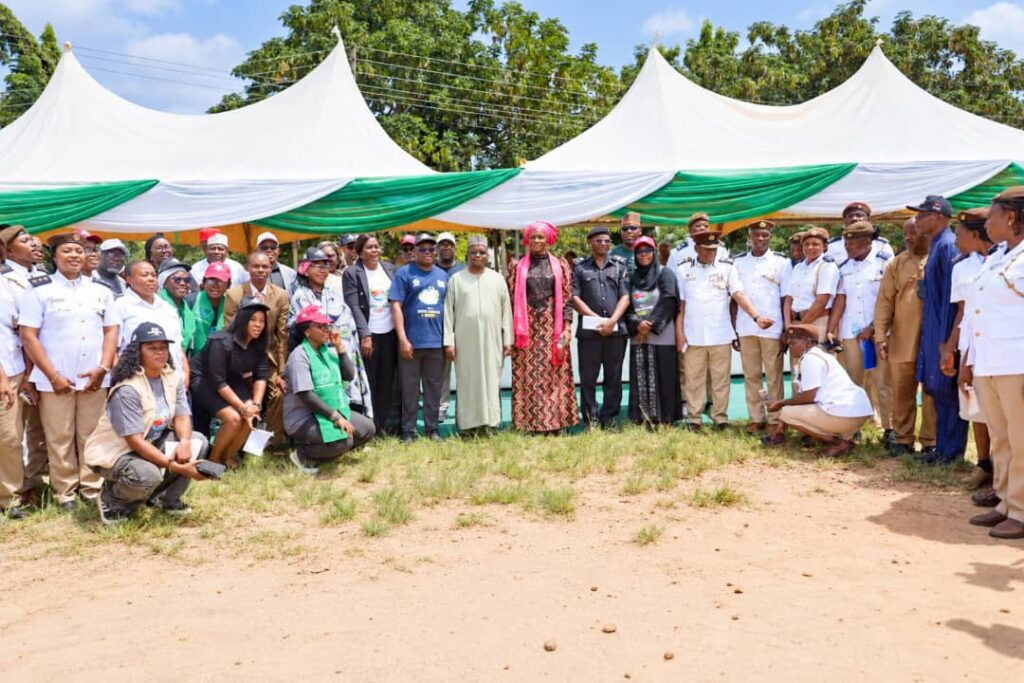
Lawal, who spoke through the ministry’s Permanent Secretary, Dr Salisu Usman, said handwashing remains one of the simplest, most affordable and effective ways to protect individuals and communities against disease-causing germs.
The event, held at Police Day Secondary School, Abuja, in collaboration with the International Federation of Red Cross and Red Crescent Societies (IFRC) and Nestlé Nigeria Plc, had the theme, “Be a Handwashing Hero”.
According to the minister, proper handwashing with soap and running water can help prevent the transmission of cholera, typhoid fever, diphtheria and other communicable diseases, while global health estimates indicate that the practice can reduce the risk of diarrhoeal diseases by up to 50 per cent and respiratory infections by nearly 25 per cent.
He said the benefits of hygiene campaigns would remain limited if Nigerians lack access to clean water, sanitation facilities and functional handwashing stations, stressing that public awareness must be matched with practical interventions that enable people to adopt healthy habits.
Lawal called on governments at all levels, private-sector organisations, civil society groups, traditional rulers, religious leaders and development partners to strengthen collaboration in expanding access to handwashing facilities and promoting sustained behavioural change.
He urged schools, healthcare centres, markets and workplaces to provide accessible and properly maintained handwashing stations, while encouraging parents, teachers and community leaders to make hygiene education a continuous responsibility.
The minister said the Federal Government, through the Ministry of Environment and other Ministries, Departments and Agencies, remains committed to implementing policies and programmes to improve Water, Sanitation and Hygiene (WASH) under President Bola Tinubu’s Renewed Hope Agenda.
He also linked improved hygiene and sanitation to the achievement of the United Nations Sustainable Development Goals, particularly Goal 3 on good health and well-being and Goal 6 on clean water and sanitation, both of which have 2030 targets.
Addressing the challenge of water scarcity, Lawal urged communities to adopt affordable, water-efficient handwashing technologies, including tippy taps, which dispense small quantities of water and can be useful in areas with limited water supplies.
He said hygiene promotion must go hand in hand with responsible water use, particularly in the face of climate change and drought, to ensure that efforts to protect public health do not worsen pressure on scarce water resources.
The minister also challenged young Nigerians to use their creativity, digital skills, school clubs and social media platforms to promote handwashing among their peers, families and communities.

He said children who learn proper hygiene practices early can carry those habits into adulthood, while schools that prioritise handwashing can protect pupils, reduce preventable illnesses and minimise disruptions to education.
Lawal urged Nigerians to make handwashing a daily practice, particularly before preparing or eating food, after using the toilet, after handling waste and after contact with other people and animals.
He said consistent hand hygiene can reduce the spread of infections, ease pressure on healthcare facilities, improve productivity and help build healthier communities.
The minister commended the IFRC, Nestlé Nigeria Plc and Female Professionals in Water, Sanitation and Hygiene (FEMinWASH) for supporting the commemoration, and thanked the management of Police Day Secondary School for hosting the event.
He also acknowledged the contributions of Ministries, Departments and Agencies, Non-Governmental Organisations, Community-Based Organisations and the media to the implementation of WASH programmes across Nigeria.
Lawal urged Nigerians to recognise that protecting public health begins with simple, consistent actions, calling on individuals and institutions to lead by example and ensure that access to proper hygiene is not determined by location or social status.
“Clean hands save lives. The power to protect our families, communities and future generations lies in our hands,” he said.
Earlier, Usman, represented by the ministry’s Director of Pollution Control and Environmental Health, Omotunde Adeola, said the government deliberately chose Police Day Secondary School as the venue to empower pupils to spread hygiene awareness beyond the classroom and influence behaviour in their homes and communities.
He disclosed that a handwashing station was constructed at the school with support from stakeholders, describing the facility as a practical step towards translating hygiene awareness into everyday action.
Usman urged Nigerians to wash their hands regularly, particularly after using the toilet, handling waste and attending to children, as well as before preparing or eating food.
“Clean hands remain our first line of defence,” he said, stressing that the success of Global Handwashing Day should be measured not by ceremonies but by lasting changes in people’s daily habits.
He said proper handwashing can help reduce absenteeism in schools and workplaces and improve productivity, while highlighting the responsibility of market women and food handlers to prevent contamination by observing proper hygiene when handling food and other goods.
The commemoration reinforced the need to move beyond awareness campaigns towards practical interventions that give Nigerians the facilities, knowledge and motivation to practise hand hygiene consistently.
