
By Danjuma Amodu
Three African countries have agreed on a common post-project roadmap to strengthen waste management, with emphasis on stronger laws, sustainable funding, gender inclusion and formal integration of the informal sector.
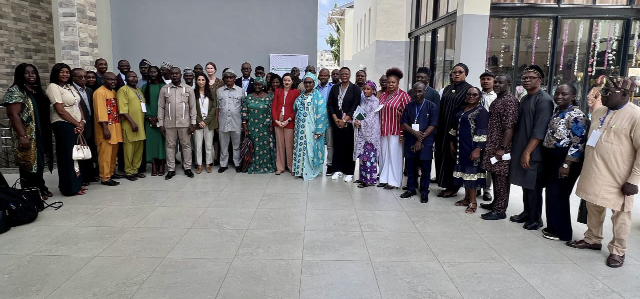
The countries — Nigeria, Sierra Leone and Guinea-Bissau — reached the position at the Final Regional Closing Workshop of the Project on Environmentally Sounder and Safer Waste Management Frameworks in Africa, hosted in Abuja by the National Environmental Standards and Regulations Enforcement Agency, NESREA, with support from the United Nations Environment Programme, UNEP.
The two-day workshop reviewed and validated key findings, draft legislative proposals and stakeholder recommendations generated since the project commenced in 2023.
Director-General of NESREA, Prof. Innocent Barikor, said the project had helped address long-standing gaps in waste governance by providing robust legislative and institutional options.
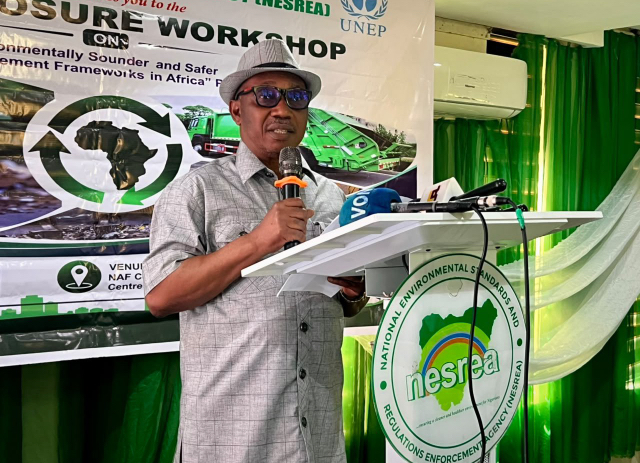
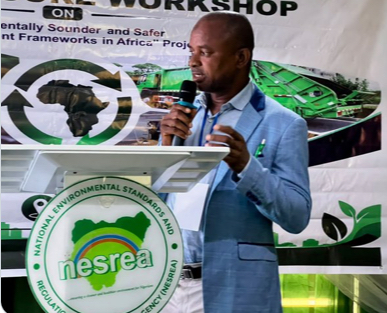
He said the outcome would guide reforms beyond the lifespan of the project.
“Together we shall produce a set of concrete post-project implementation and sustainability roadmap that will inform policy and legislative reforms, strengthen institutional capacity, ensure gender inclusion, protect the rights of children and improve overall waste management outcomes,” Barikor said.
He added that the initiative aligns with Nigeria’s push for a circular economy that drives growth while safeguarding the environment.
For Sierra Leone, the Deputy Minister of Environment, Hon. Mima Yema Mimi Sobba-Stephens, said the proliferation of plastics, healthcare waste, e-waste, used oils, chemicals and mining-related waste underscores the need for a harmonised legal framework.
“Through consultation and technical review, we have identified the need for a comprehensive and harmonised legal framework that addresses the full waste hierarchy: prevention, reduction, reuse, recycling, recovery and, only as a last resort, environmentally sound disposal,” she said.
Guinea-Bissau’s Director of Chemical Product Waste Service, Per Infali Cassama, said a major gain of the project was the recognition of informal waste actors and the creation of a platform for multi-level engagement.
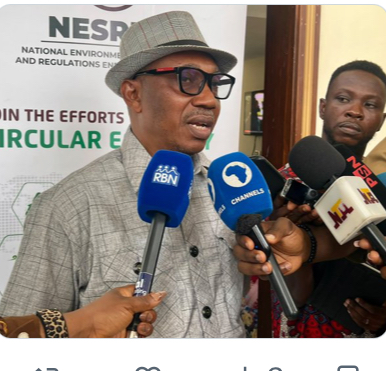
Representing the Minister of Environment, Balarabe Abbas Lawal, the Director of Pollution Control and Environmental Health, Mrs. Omotunde Adeola, described the closing workshop not as an end, but as the start of implementation, noting that the initiatives are critical to improving compliance and delivering community-level benefits.
Valentina Ricca of the UNEP Law Division said the project was designed to strengthen waste management frameworks across participating countries while ensuring the inclusion and protection of the informal waste sector, which remains central to waste collection and recovery on the continent.
