
Forty children are set to undergo reconstructive surgery in Sokoto as Médecins Sans Frontières (MSF) renews its demand for the urgent integration of noma prevention, diagnosis and treatment into Nigeria’s primary healthcare system.
The appeal came as the Sokoto State Ministry of Health’s Noma Hospital began its final surgical intervention for 2026, highlighting both the life-changing work being done at the facility and the failure of the wider health system to detect and treat the disease before it causes irreversible damage.
Noma is a rapidly advancing, non-contagious disease that attacks the mouth and face, destroying soft tissue and bone within days. It is largely preventable, treatable in its early stages and closely linked to extreme poverty, malnutrition, poor oral hygiene, inadequate immunisation and limited access to healthcare.
MSF said untreated noma kills between 70 and 90 per cent of those affected. Children who survive may be left with severe facial disfigurement, difficulty eating, speaking or breathing, and lifelong psychological trauma. Many also face rejection, stigma and exclusion from their communities.
The disease primarily affects children under seven, especially those living in deprived communities where families struggle to access nutritious food, clean water and basic medical services.
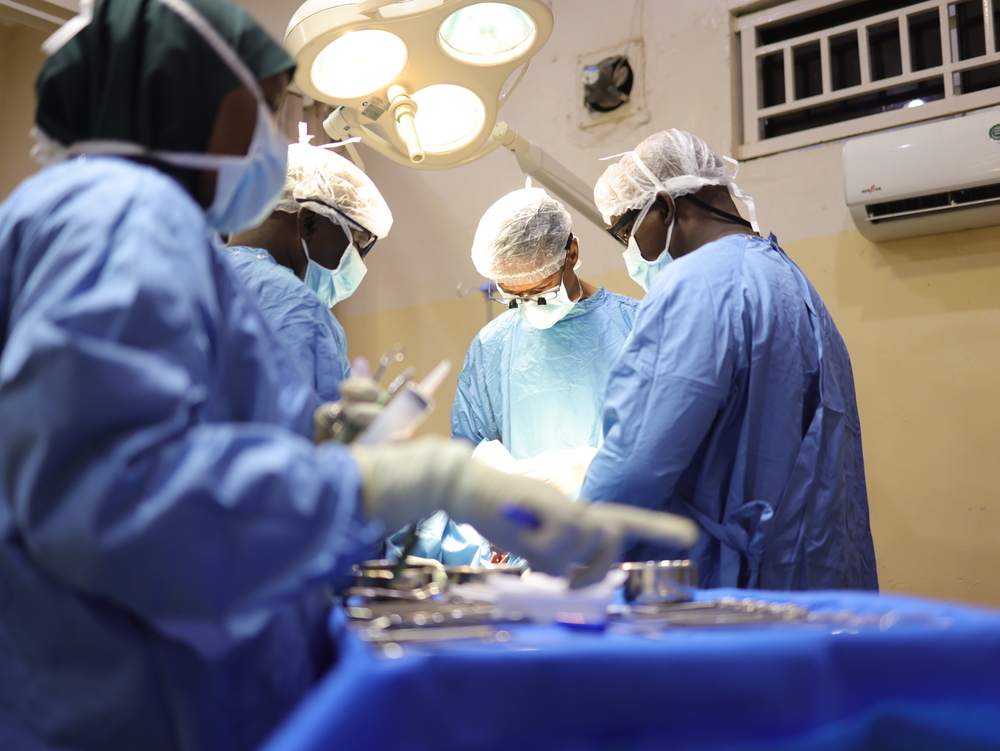
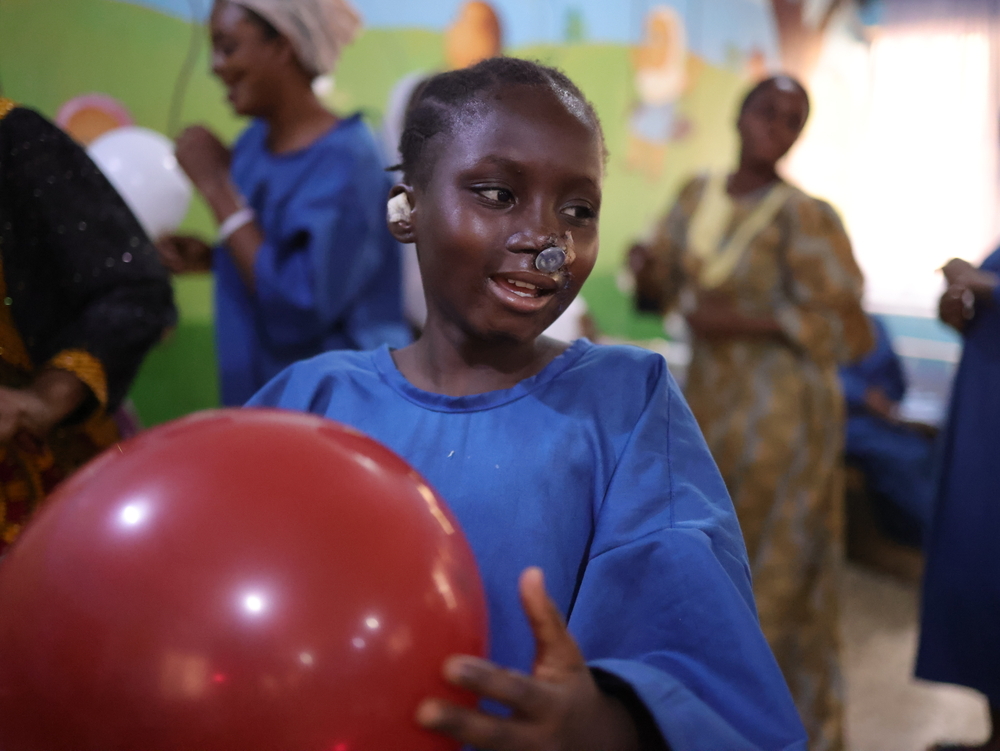
The reconstructive procedures are intended to restore facial movement and essential functions, improve the patients’ ability to eat and speak, and help them regain confidence after years of living with the physical and social consequences of noma.
But the organisation warned that surgery, though vital, is not enough.
MSF Nursing Activity Manager at the Sokoto Noma Hospital, Samuel Ajamah, said noma could be prevented and treated if children were identified early and referred promptly.
“Noma is preventable and treatable. No child should suffer or die from a disease that can be detected early and effectively managed,” Ajamah said.
He explained that early treatment could include antibiotics, wound care, nutritional support and the management of underlying illnesses. Such interventions, he said, could stop the disease before it progressed to extensive facial destruction.
“Recognition of noma as a Neglected Tropical Disease was an important step, but recognition alone is not enough. We now need practical investment in prevention, early diagnosis, and access to care,” he added.
The World Health Organisation classified noma as a neglected tropical disease in 2023, raising hopes that the condition would receive greater international attention, funding and research support.
MSF, however, said the classification had not yet translated into adequate action in Nigeria. Noma remains insufficiently integrated into routine child health services, disease surveillance and primary healthcare programmes, leaving many children dependent on specialised facilities such as the Sokoto hospital.
Ajamah described noma as a “marker of inequality”, saying its continued presence reflected weaknesses in nutrition, immunisation, oral healthcare and access to basic medical services.
MSF said many patients pass through several health facilities before reaching a specialised noma centre. In some cases, health workers fail to recognise the early signs, while families may not know that the disease requires immediate medical attention.
By the time patients arrive at the Sokoto hospital, the infection may have destroyed large portions of the face, making treatment more complex and leaving survivors with permanent disabilities.
The organisation said stronger training for frontline health workers was urgently needed so that noma could be identified at community and primary healthcare levels.
It also called for effective referral systems linking rural communities to specialised hospitals, ensuring that children with suspected cases are transferred quickly for treatment.
MSF has partnered with the Sokoto Noma Hospital since 2014, supporting surgery, rehabilitation and other forms of care for patients affected by the disease.
According to the organisation, its teams performed 1,645 reconstructive surgeries on 1,078 patients at the hospital between 2014 and 2025.
In 2025 alone, 1,034 patients received comprehensive care, including surgery, nutritional rehabilitation, physiotherapy and psychosocial support.
The hospital conducted another surgical intervention from April 17 to May 1, 2026, during which 55 reconstructive procedures were performed. The latest exercise involving 40 patients is expected to further restore facial functions and improve the quality of life of survivors.
MSF urged the Federal Government and state health authorities to move beyond isolated surgical campaigns and establish a nationwide system for preventing and treating noma.
The organisation called for noma services to be integrated into primary healthcare, particularly routine child health, nutrition, immunisation and oral health programmes.
It also demanded regular training for frontline health workers on the early signs of noma; inclusion of noma in national disease surveillance systems; functional referral pathways from rural communities to specialised hospitals; reliable supplies of antibiotics, wound-care materials and nutritional support; greater public awareness of the disease and the need for immediate treatment and; stronger investment in nutrition, immunisation, sanitation and basic healthcare.
