
By Danjuma Amodu
Nigeria and Germany have concluded negotiations on a renewed framework for bilateral cooperation, setting the stage for the signing of a new agreement in Abuja on Thursday.
The framework covers development cooperation across agriculture, energy, healthcare, governance, skills development, and private-sector development. It was negotiated on behalf of Nigeria by senior officials from more than six ministries and agencies, led by the Federal Ministry of Budget and Economic Planning, and by Germany’s Embassy in Nigeria and the Federal Ministry of Economic Cooperation and Development.
A NEW PHASE OF PARTNERSHIP
Speaking at the opening of the negotiations, Minister of Budget and Economic Planning, Senator Abubakar Atiku Bagudu, said Nigeria’s partnership with Germany was entering a new phase centred on economic transformation, private capital mobilisation, sustainable infrastructure, the energy transition, youth empowerment, and long-term resilience.
He described Germany as one of Nigeria’s most trusted and enduring development partners, noting that more than five decades of cooperation had delivered measurable impact in agriculture, healthcare, renewable energy, vocational education, migration governance, and enterprise development.
“The global development landscape is becoming increasingly complex, shaped by economic pressures, geopolitical uncertainties, climate-related challenges, and shrinking development finance. These realities make strong, trusted partnerships even more important,” Bagudu said.
BUILDING ON RECENT HIGH-LEVEL ENGAGEMENTS
Bagudu highlighted the Nigeria–Germany Binational Commission held in Berlin in November 2025 as a defining moment that strengthened bilateral cooperation across foreign policy, security, energy, trade, migration, culture, and development.
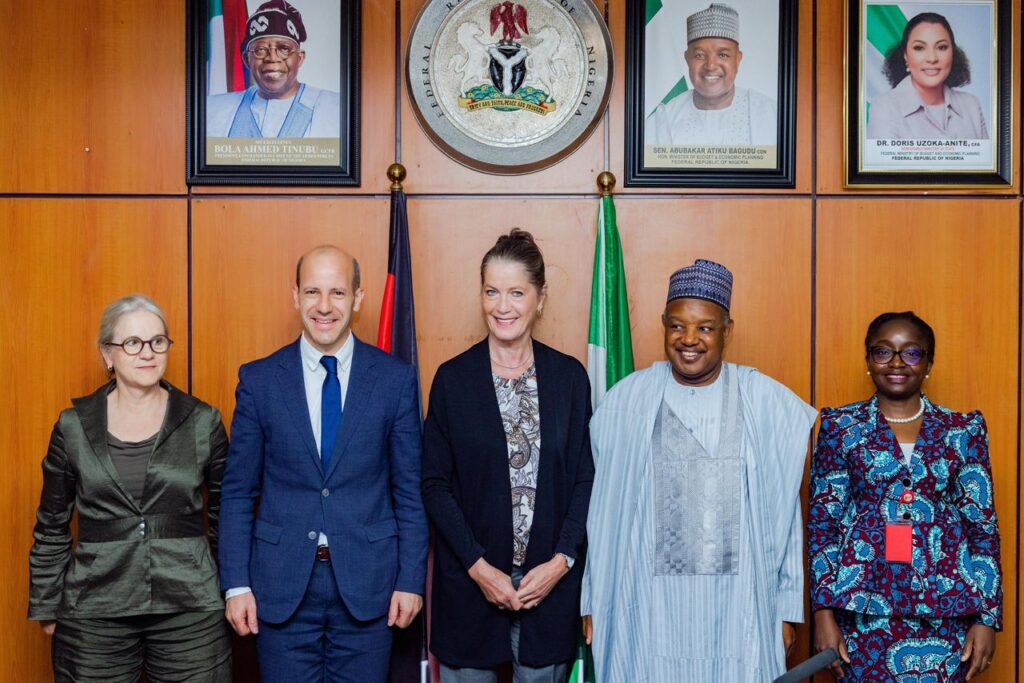
L-R: Head of Division of West Africa II, BMZ, Ms Karen Pfundt; Deputy Director-General of the Federal Ministry of Economic Cooperation and Development, BMZ, Mr Philip Knill; Ambassador of Germany to Nigeria, Ms Annett Günther; Minister of Budget and Economic Planning, Senator Abubakar Atiku Bagudu; and Permanent Secretary Dr Deborah Odoh, during the Nigeria-Germany Development Cooperation negotiations in Abuja on Wednesday.
He also pointed to the Nigeria–Germany Business Forum in Lagos, which brought together leading executives from both countries to unlock new commercial opportunities and deepen investment ties.
According to the minister, President Bola Tinubu’s administration is implementing bold structural reforms under the Renewed Hope Agenda to reposition Nigeria’s economy for sustainable growth. The reforms include foreign exchange liberalisation, enhanced domestic revenue mobilisation, strategic investments in infrastructure and human capital, and expanded fiscal decentralisation.
He added that improved fiscal allocations and reform-driven restructuring had expanded opportunities for subnational investment partnerships and enhanced states’ creditworthiness.
ENERGY TRANSITION AND PRIVATE-SECTOR FOCUS
Bagudu reaffirmed Nigeria’s commitment to a just and inclusive energy transition through expanded electricity access, decentralised energy markets, and renewable energy investments. He cited ongoing collaboration with Germany through the Nigeria Energy Support Programme and the Energy Transition Challenge Fund, implemented by GIZ and KfW.
Germany’s Ambassador to Nigeria, Ms Annett Günther, described Nigeria as a strategic African partner whose leadership within ECOWAS and the African Union is critical to regional peace, economic integration, and democratic stability.
“Nigeria is a giant in Africa, just as Germany plays a central role in Europe. Together, we can drive meaningful progress,” Günther said.
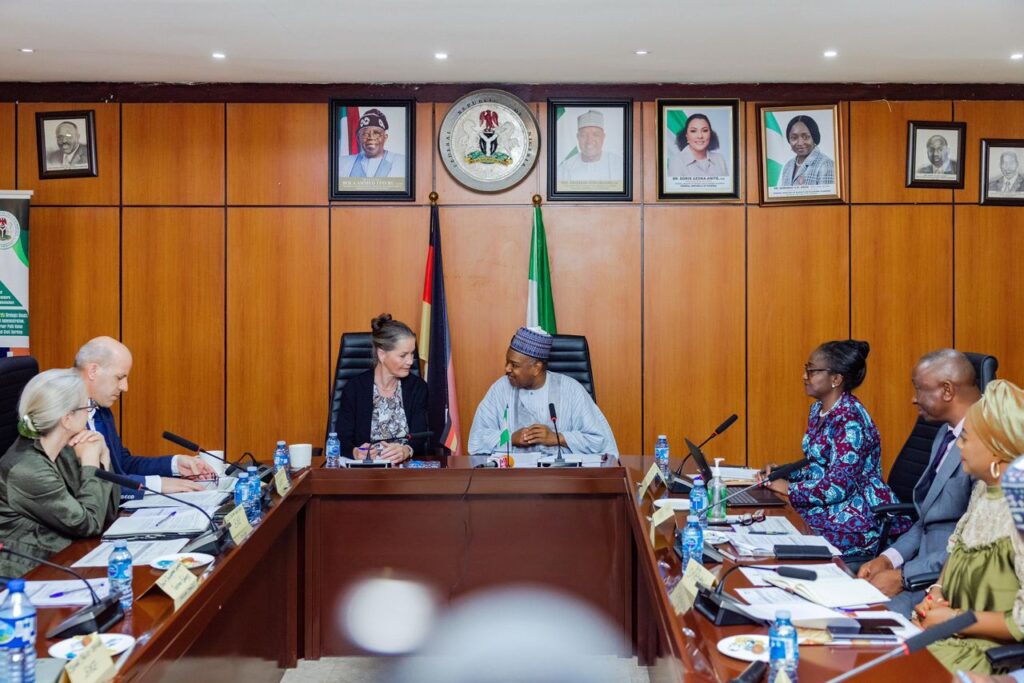
She noted that Germany’s development cooperation now focuses on four pillars: poverty reduction and food security; peace and security; climate-friendly economic cooperation; and the protection of global public goods, including health, biodiversity, and resilience. She added that major German companies, including Siemens and SAP, are exploring expanded partnerships in digital transformation, cloud infrastructure, agritech, and workforce development.
ALIGNING PRIORITIES FOR IMPLEMENTATION
Deputy Director-General of Germany’s Federal Ministry for Economic Cooperation and Development, Mr Philip Knill, said future cooperation would increasingly focus on mobilising private-sector participation, financing innovation, and strategic investment partnerships.
Permanent Secretary of the Federal Ministry of Budget and Economic Planning, Dr Deborah Odoh, said the negotiations mark a significant milestone in Nigeria–Germany relations and a step toward turning bilateral engagements into concrete financial and technical commitments.
Representatives from the Ministries of Agriculture, Education, Health, Labour and Employment, Power, Industry, Trade and Investment, NITDA, SMEDAN, and the Development Bank of Nigeria also participated in the talks.
