By Danjuma Amodu
The Federal Government has unveiled plans to scale up electricity access across Nigeria’s health facilities through a private-sector-driven model, saying reliable power is “a compulsory driver of the health system”.
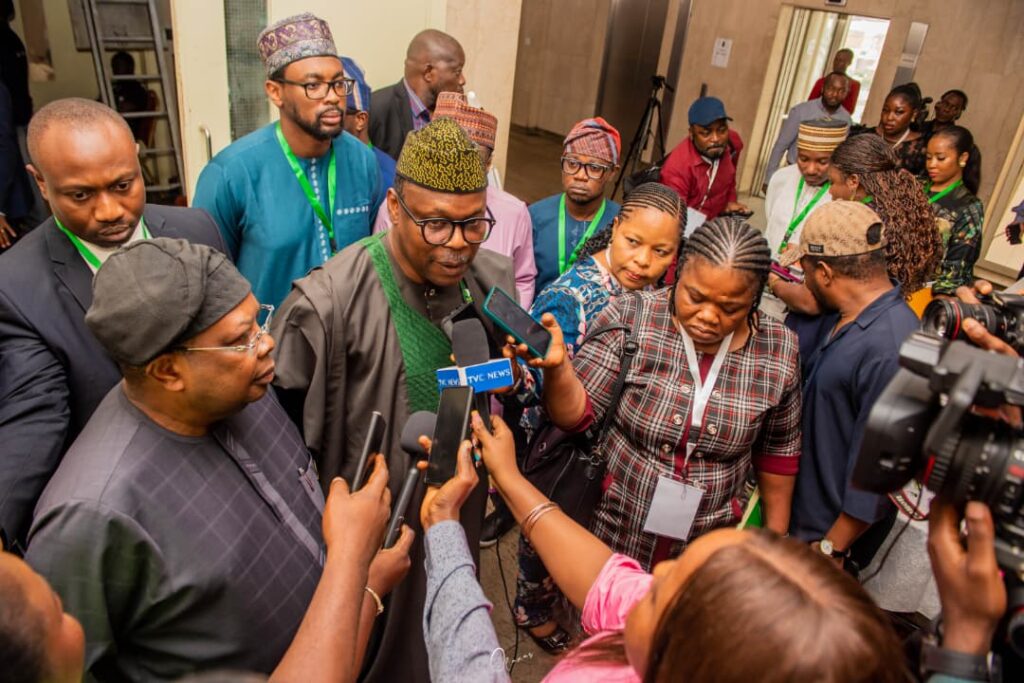
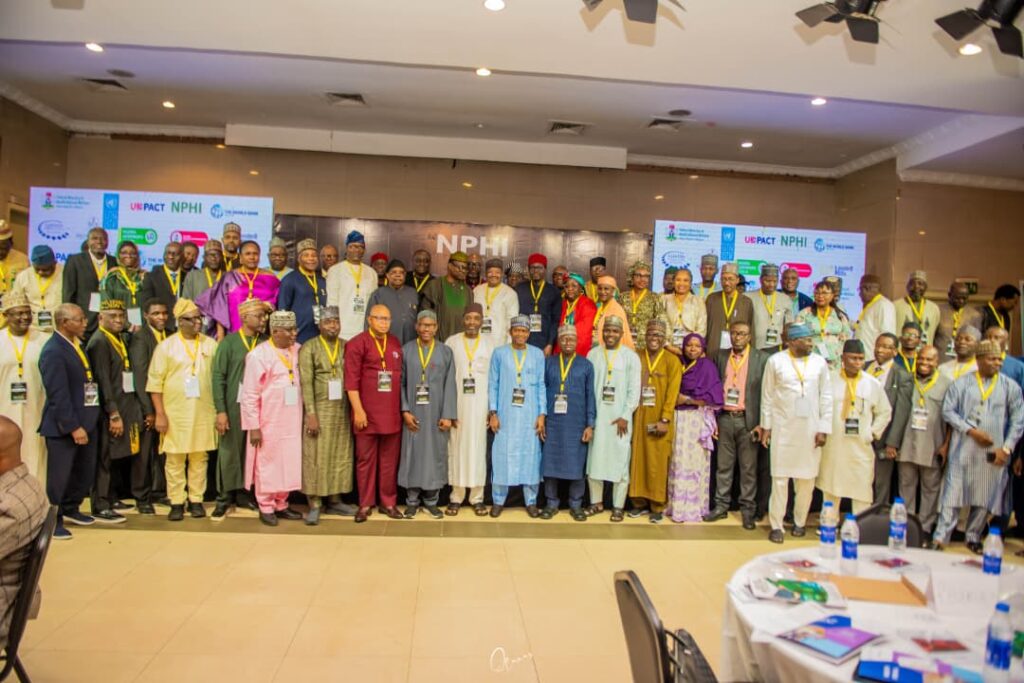
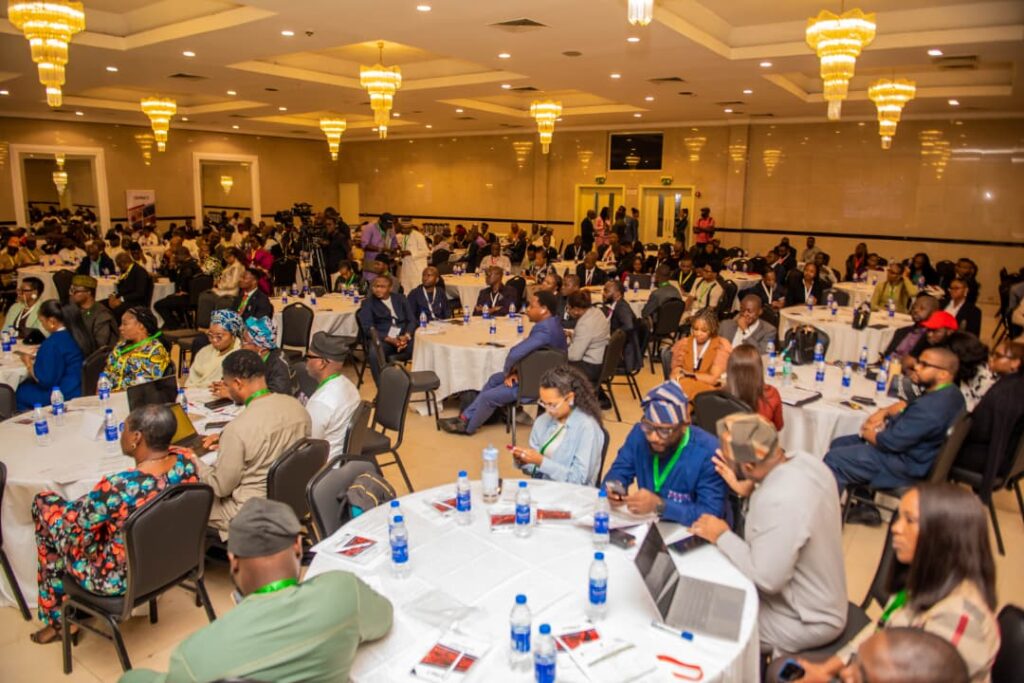
The Minister of State for Health and Social Welfare, Dr. Iziaq Adekunle Salako, stated this on Monday at the National Healthcare Electrification Investor Matchmaking Forum held at the Civic Centre, Victoria Island, Lagos. The forum was convened under the Nigeria Power for Health Initiative, NPHI.
Dr. Salako said the forum marks a shift from policy discussions to concrete investment decisions aimed at creating a functioning market for healthcare electrification in Nigeria. He recalled that last year’s National Stakeholders Dialogue on Power in the Health Sector identified energy poverty as a major barrier to health reforms. That dialogue produced the NPHI, approved by President Bola Ahmed Tinubu, GCFR, and now institutionalised as the national platform for driving healthcare electrification.
“Electricity is not merely a utility in a healthcare facility. Like Human Resources for Health, it is a compulsory driver of the health system. When electricity fails, healthcare delivery stagnates.” — Dr. Iziaq Adekunle Salako
He noted that grid outages, voltage fluctuations and high diesel costs continue to strain facility budgets, diverting resources from patient care, medicines and equipment maintenance. The consequences, he added, are measured not only in financial losses but in compromised health outcomes, reduced service availability, increased operational risks, and diminished public trust in the health system.
Dr. Salako explained that NPHI is designed to break the cycle of failed donor and government-funded installations by shifting to an “Energy-as-a-Service” model. Under the model, Energy Service Providers will finance, deploy, operate and maintain power systems while hospitals focus on healthcare delivery. “Healthcare facilities are no longer expected to become energy companies. Rather, specialised Energy Service Providers are expected to finance, deploy, operate, maintain, and guarantee energy services,” he said.
The initiative is currently focused on federal tertiary health institutions but is designed to cover primary, secondary and tertiary facilities in both public and private sectors. The government will work with states, local governments and private providers to replicate lessons nationwide.
To secure investor confidence, the NPHI has established an Inter-Ministerial Steering Committee for strategic oversight, a 24-member Inter-Agency Technical Committee for technical quality, and Facility Energy Management Teams in hospitals. A dedicated Project Secretariat under the Federal Ministry of Health and Social Welfare will coordinate implementation. The financing strategy combines blended finance, risk sharing, project aggregation and long-term sustainability, leveraging government commitment, development finance, climate finance, concessional capital and private investment.
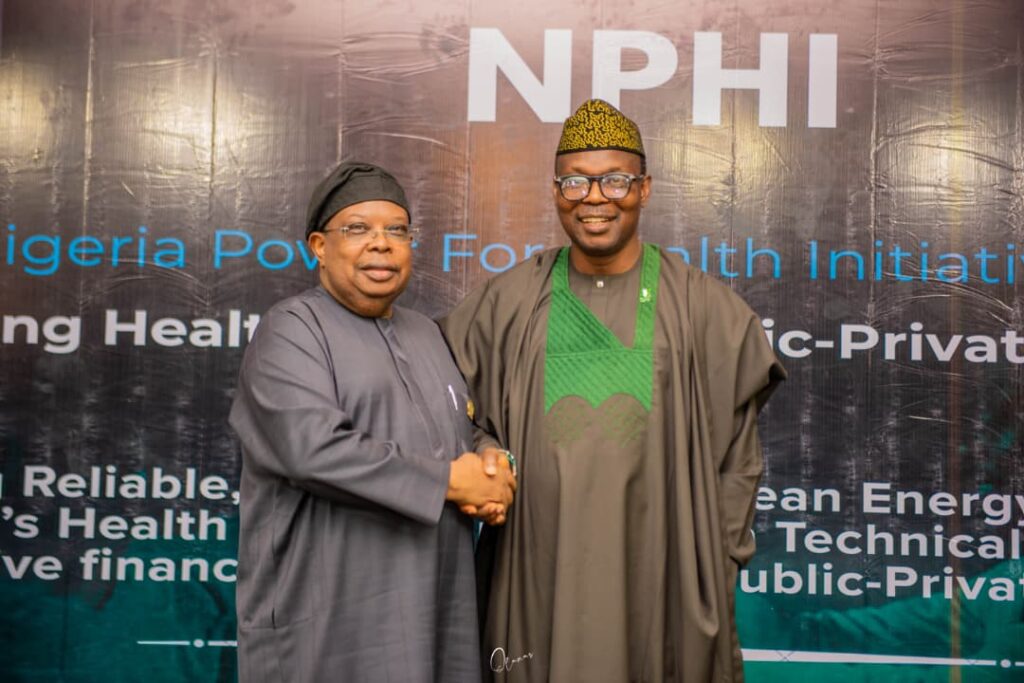
The minister acknowledged support from the United Kingdom Partnership for Accelerating Climate Transition, UK PACT, and Landell Mills International. He added that two weeks ago, finance directors of federal tertiary hospitals were trained in energy economics and project finance to prepare them as credible investment partners.
“Today’s Investors Matchmaking Forum is not the end of a conversation, it is the beginning of a marketplace where ideas become projects, and projects become reliable electricity for millions of Nigerians.” — Dr. Iziaq Adekunle Salako
Dr. Salako called on commercial banks, development finance institutions, infrastructure funds, impact investors and climate financiers to tap into the growing pipeline of projects. He affirmed the Federal Government’s commitment to policy enablement and guarantees for investors.
“Together, we can build a future where every healthcare facility in Nigeria has access to reliable, affordable, and sustainable energy. Together, we can strengthen our healthcare system. Together, we can save lives,” he concluded.