
_…Dingyadi pledges partnership with unions on decent work, skills and productivity; ASCSN says minimum wage no longer meets basic needs, demands action on security_
By Danjuma Amodu
The Association of Senior Civil Servants of Nigeria (ASCSN) has asked the Federal Government to urgently review workers’ salaries and clear outstanding wage awards, saying the N70,000 national minimum wage can no longer meet the basic needs of civil servants amid rising inflation.
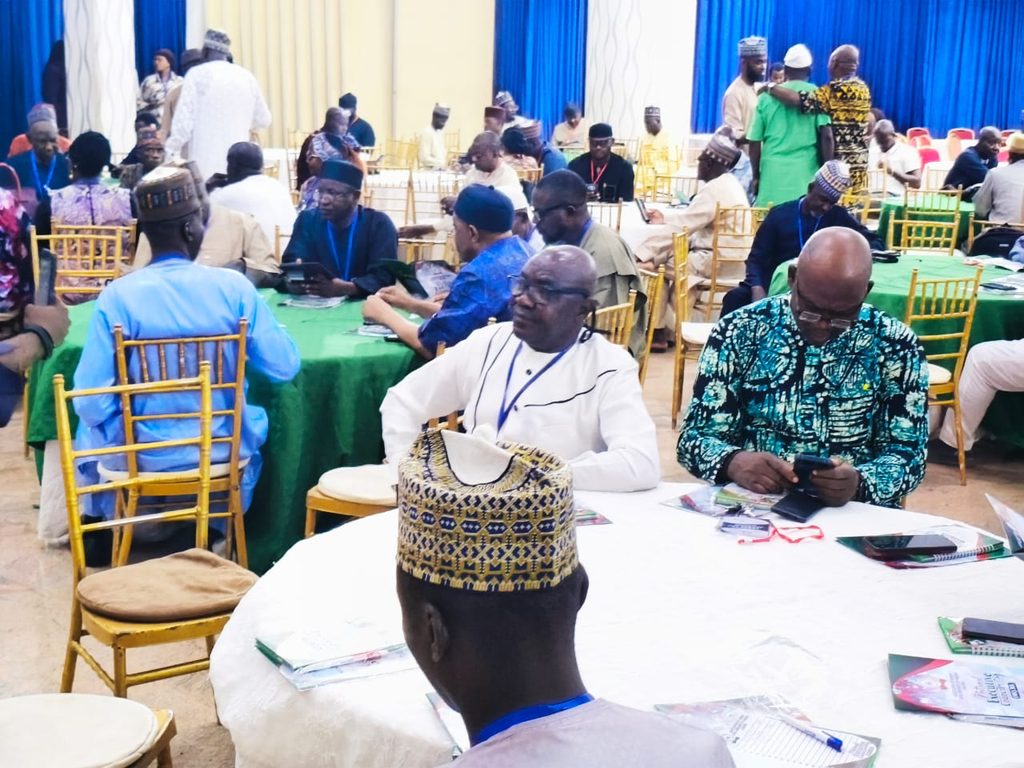
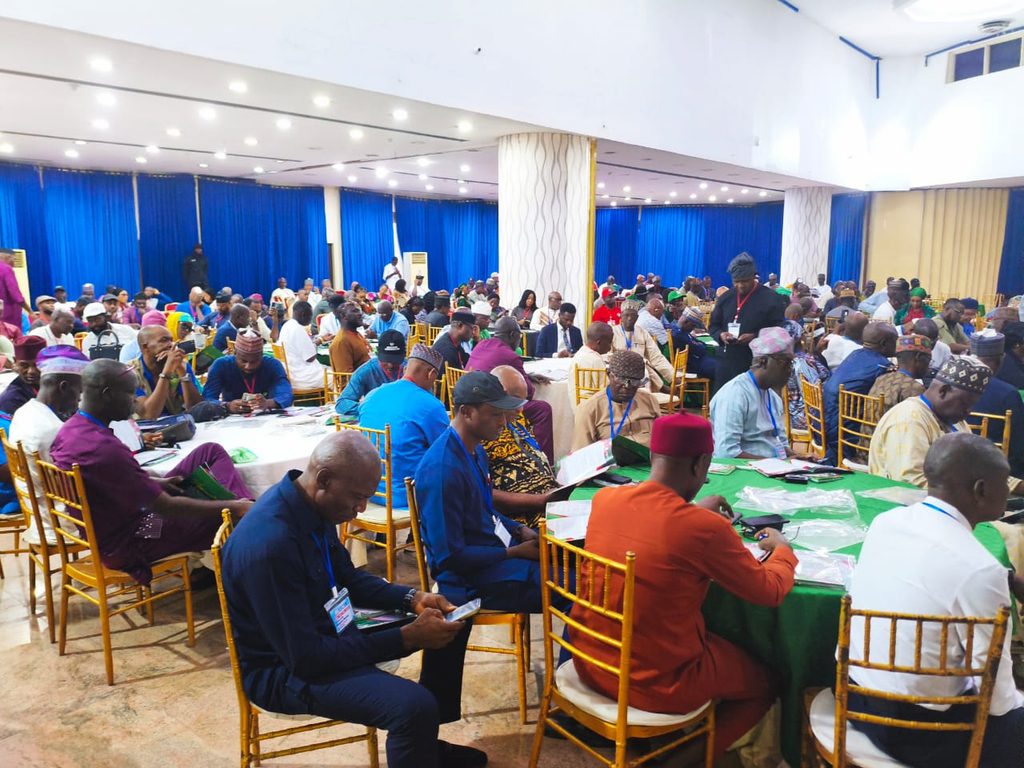
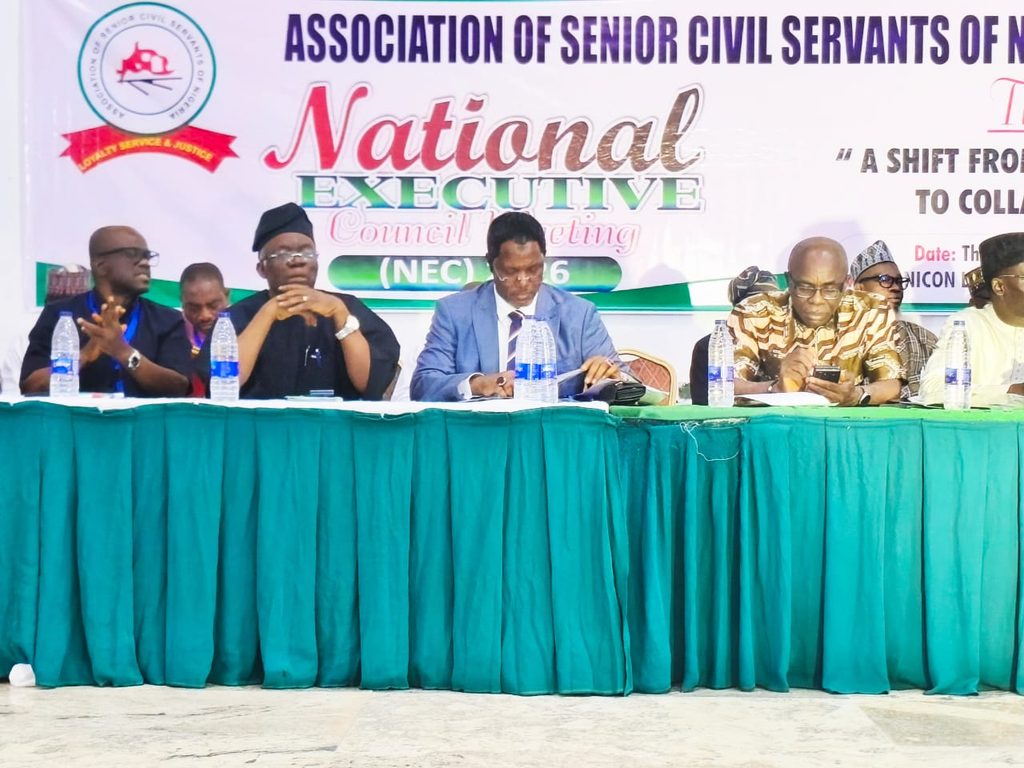
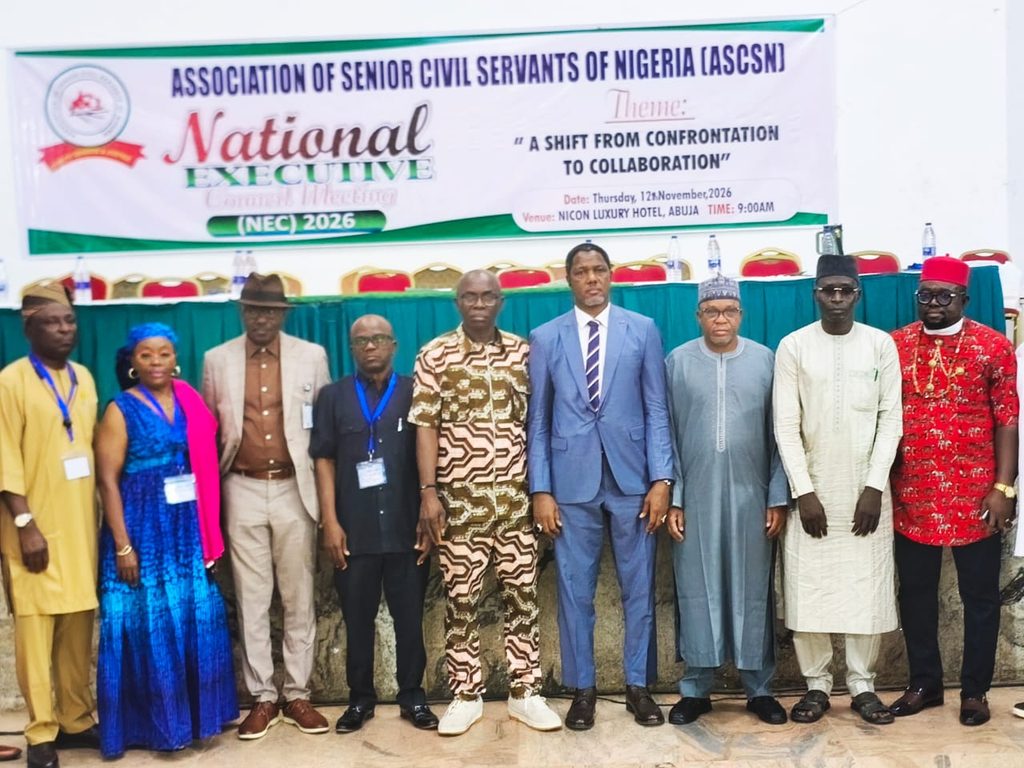
The demand was the central issue at the union’s National Executive Council (NEC) meeting in Abuja on Thursday, where members reviewed the impact of rising food, transport and healthcare costs on workers’ welfare and purchasing power.
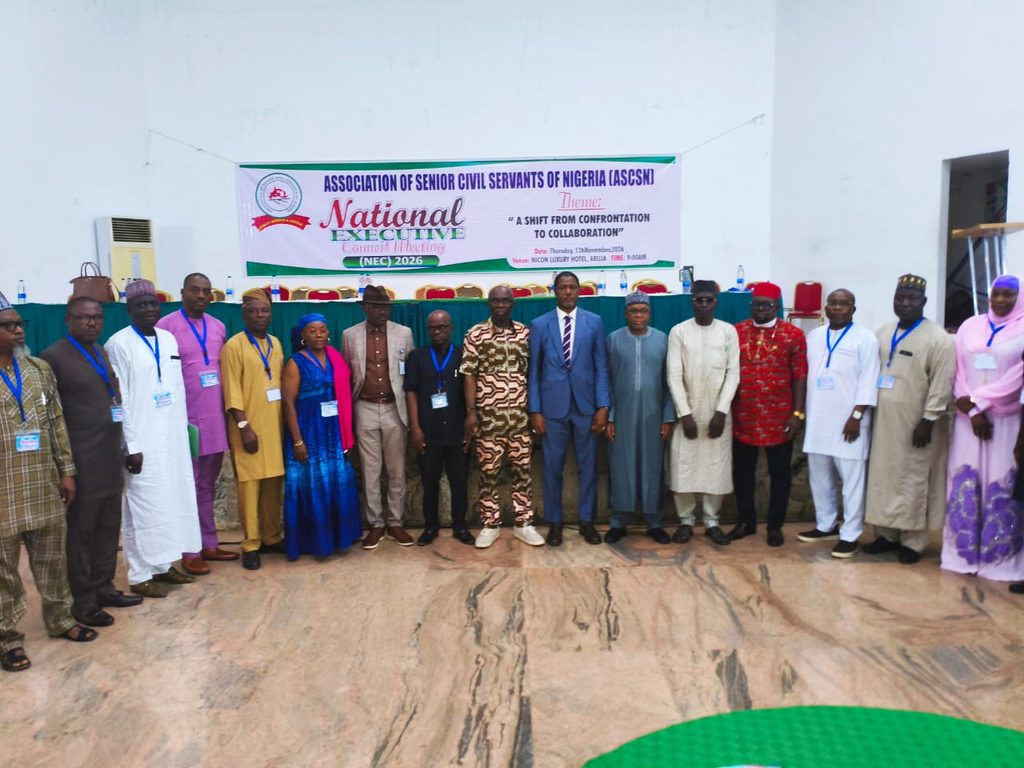
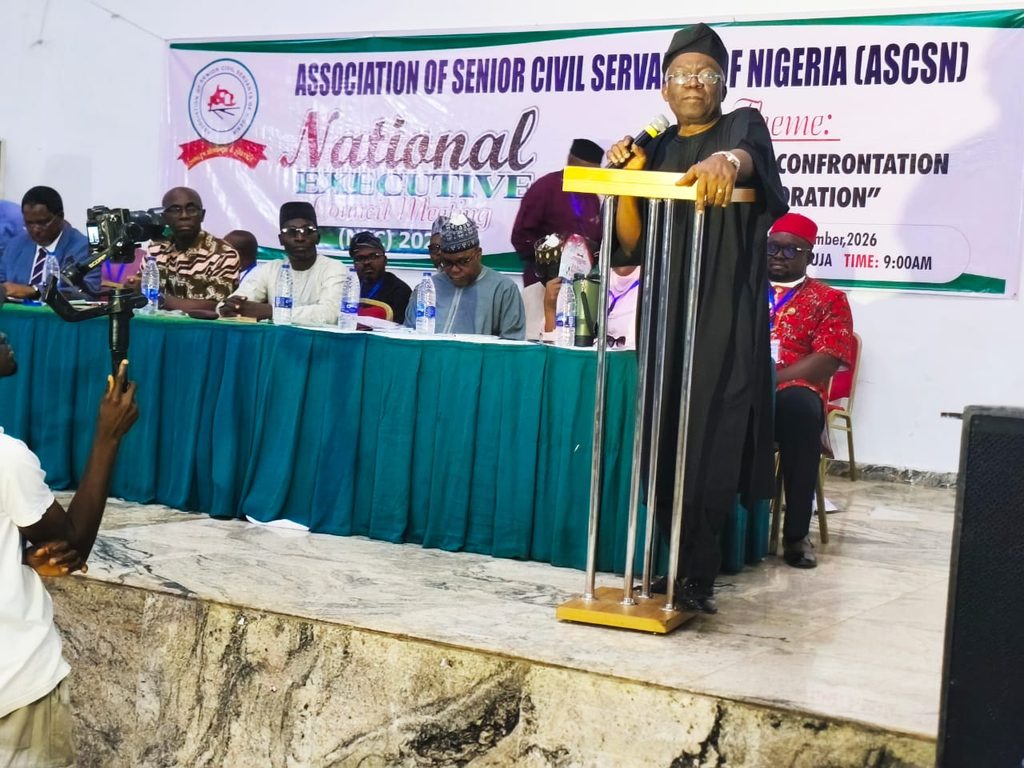
ASCSN National President, Comrade Shehu Mohammed, said urgent intervention was necessary to ease the financial pressure on civil servants and improve their living conditions.
He urged the government to review salaries and settle outstanding entitlements, including promotion arrears, leave allowances and other welfare benefits.
In his remark, human rights lawyer, Mr Femi Falana, SAN, also urged organised labour to broaden its agitation beyond wages to demand the full implementation of the Compulsory Free Universal Basic Education Act, the National Housing Act, the Pension Reform Act and the Employees’ Compensation Act through the NSITF.
In response, the Federal Government restated its commitment to using social dialogue to resolve trade union disputes and improve workplace conditions.
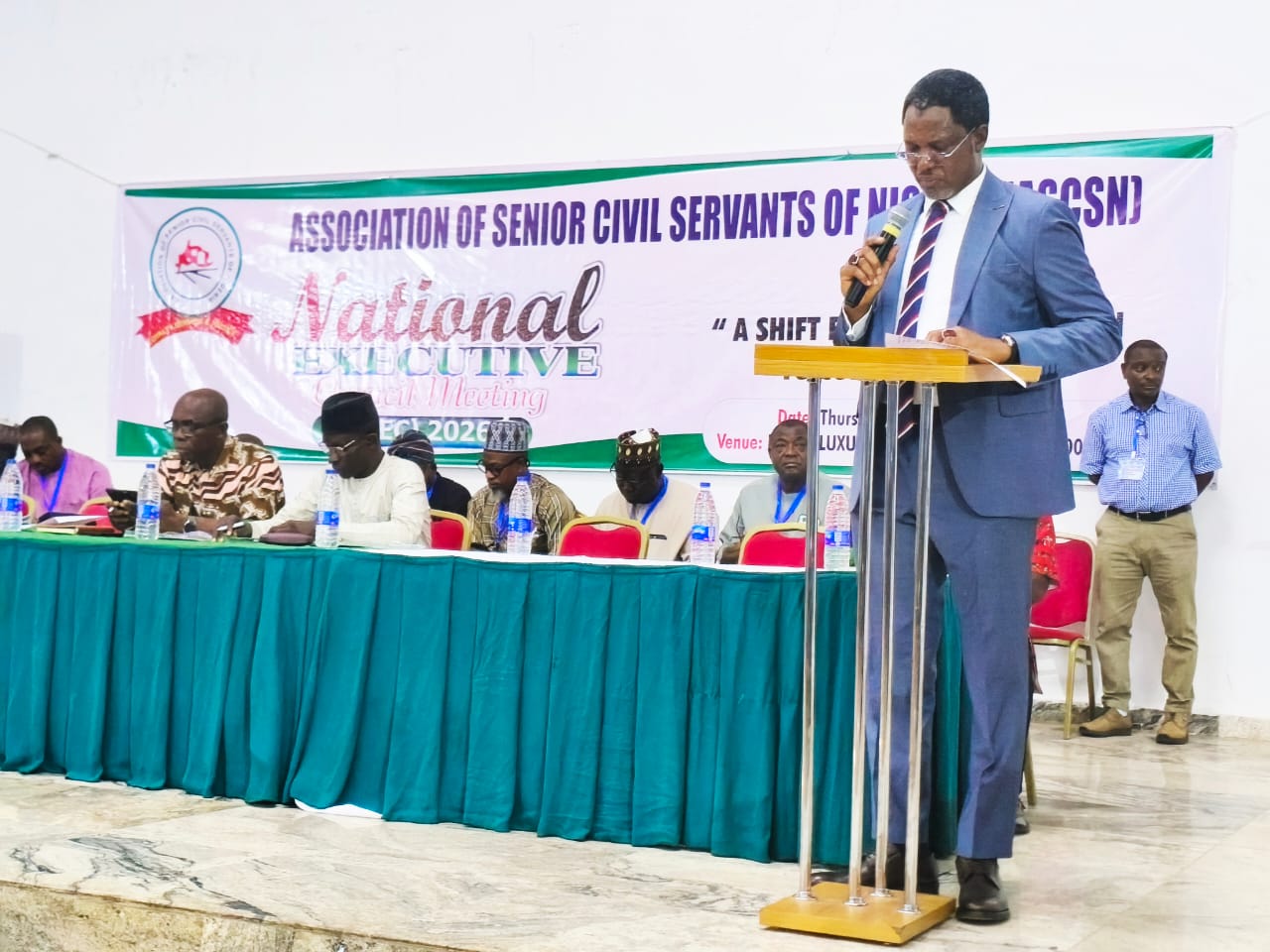
Minister of Labour and Employment, Mohammad Maigari Dingyadi, said government remained fully committed to fostering harmonious industrial relations, promoting decent work, and creating an enabling environment where workers and employers can thrive.
Dingyadi, who was represented by the Director of Trade Union Services, Amos Falolupe, said the ministry would continue discussions with labour unions on minimum wage implementation, pension benefits, capacity building and decent working conditions.
He said sustained engagement with organised labour remained important to addressing workers’ concerns and promoting industrial harmony.
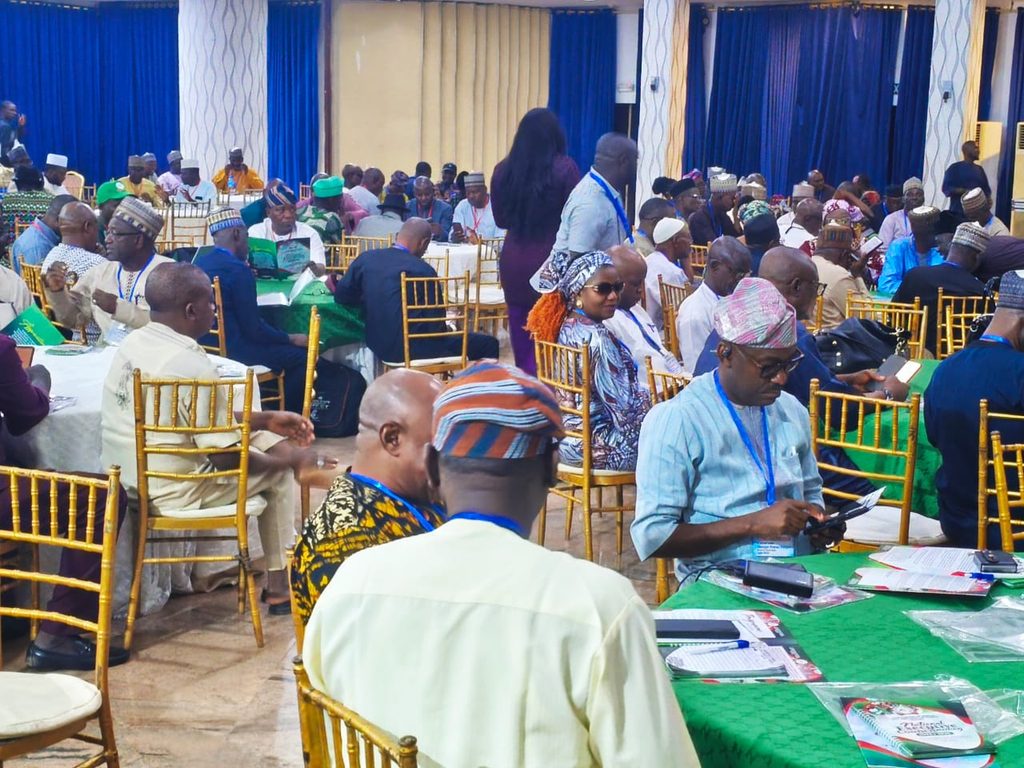
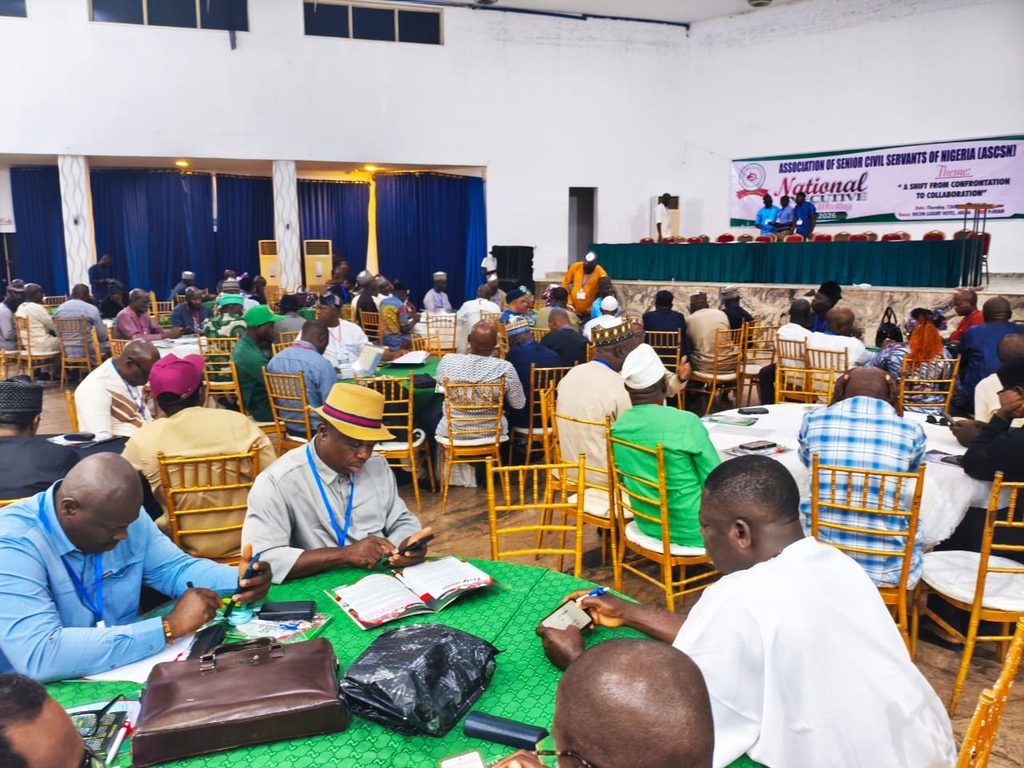
Dingyadi said government was mindful of the challenges across various sectors, ranging from economic pressures to workplace transformation driven by technology.
“Yet we are equally encouraged by the resilience and professionalism of unions such as yours,” he said.
He said the administration of President Bola Tinubu will continue to prioritise labour-government collaboration in improving the condition of Nigerian workers.
“We see ASCSN as a dependable partner in this regard. Your constructive engagement in tripartite processes especially in matters of job security, labour standards, and workplace productivity remains invaluable,” he said.
“As the world of work continues to evolve, we must work together to equip our workforce with the skills and protections required for competitiveness in a rapidly changing global economy.
“The Ministry is committed to collaborating with labour unions, employers, and other stakeholders to strengthen policies that promote decent work, safeguard worker rights, and drive national productivity,” he added.
He encouraged members to use the gathering to reflect on critical issues facing them, reaffirm commitment to ethical unionism, and develop proposals to support peace, equity and sustainable development in the labour sector.
“As you deliberate, please be assured of the Ministry’s continued partnership and support. Together, we can build a labour environment that is fair, just, and responsive to the needs of Nigerian workers and the aspirations of our nation,” he noted.
Beyond wages, Mohammed also pressed the Federal Government to rejig the country’s security architecture, saying daily reports of kidnapping, killings and displacement had created fear across the country and directly affected members and their families.
“I wish, therefore, to appeal to the Federal Government to rejig the security architecture in the country and reposition it to meet the aspiration of the citizens,” he said.
He urged governors to step up efforts to secure their states, as directed by the President, and proposed a model of State Police that would prevent abuse by governors.
He suggested that State Houses of Assembly should adopt a structure where a State Police Commission, comprising representatives of political parties, labour leaders, prominent citizens, religious groups, traditional rulers, students and Non-Government Organisations (NGOs), would oversee and monitor the daily operations of the State Police Command.
“I believe that all hands must be on deck to reverse the deteriorating security issues in the country so that the Government can discharge its primary responsibility of safeguarding lives and property of the citizens,” he said.
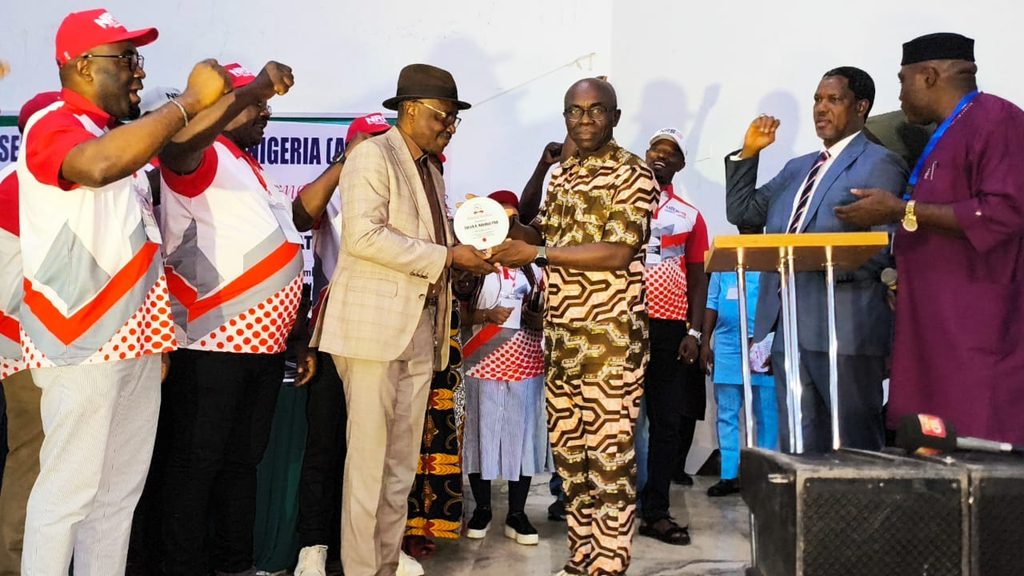
Mohammed also gave an account of the Central Working Committee’s (CWC) activities in the last 12 months, saying it had moved to implement policies and programmes to strengthen the union and promote members’ interests nationwide.
He listed ongoing training programmes for members across the six geo political zones, restoration of gratuity, contributory pension scheme amendment, plan to sell unity schools and payment of promotion and other outstanding arrears among the achievements.
He urged members to remain steadfast in their support for the union and avoid falling into the traps of those who do not wish the association well.
“Your activities in your states should be in line with the vision and mission of our great Union which are centered on member’s welfare,” he said.
“I want to assure you that the current National Leadership of the Association is committed to lifting the banner of the Union to greater heights so that it can remain formidable to continue to fight for members’ welfare and wax stronger as a leading light in the comity of Trade Unions in Nigeria,” he added.
The meeting is expected to produce resolutions on strengthening the union, improving workers’ welfare and maintaining harmonious relations between labour and government.
