
By Danjuma Amodu
A rapidly escalating cholera outbreak in northeastern Nigeria has placed immense pressure on healthcare facilities in Borno State, with nearly 8,000 suspected cases recorded within five weeks and dozens of deaths reported.
Health authorities say the outbreak, which began in early May, has spread across multiple communities, affecting 14 local government areas and 50 wards. Official figures indicate that 7,850 suspected cases and 74 deaths had been recorded as of June 7, raising concerns over the state’s ability to contain the disease.
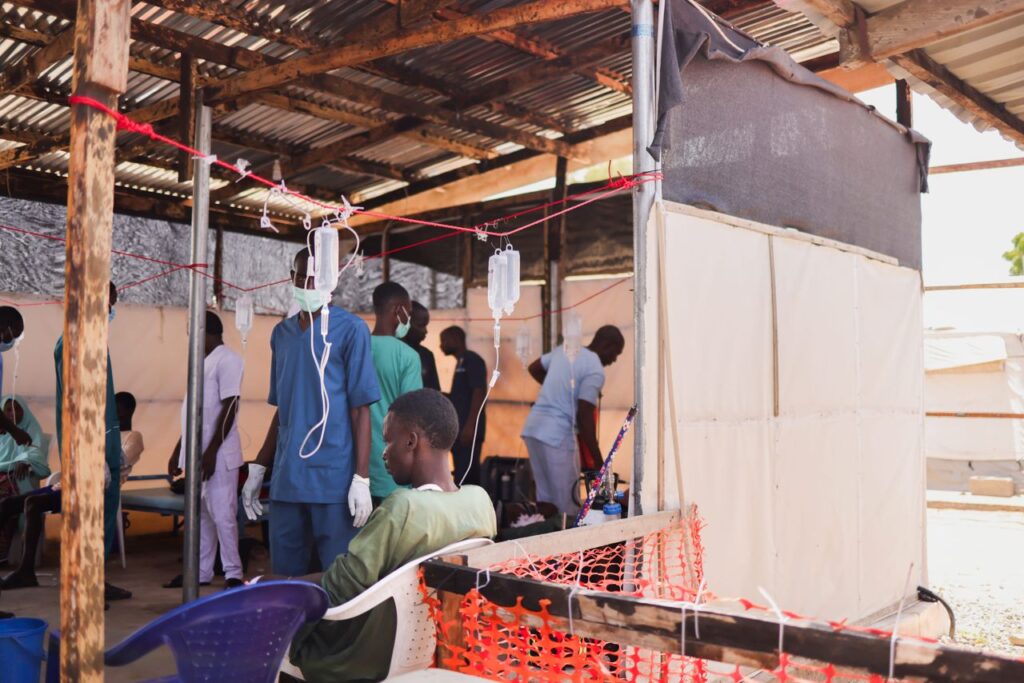
The surge has forced humanitarian responders and health officials to expand emergency treatment facilities as hundreds of new patients continue to arrive daily with symptoms of acute watery diarrhoea and severe dehydration.
Working alongside the Borno State Ministry of Health, Médecins Sans Frontières (MSF) established a Cholera Treatment Centre in the Ngarannam area of Maiduguri shortly after the outbreak emerged. The facility has since undergone multiple expansions, increasing its capacity from 121 beds to 271 beds in response to the growing influx of patients. A separate 20-bed treatment unit has also been opened in the Dalaram area of the state capital.
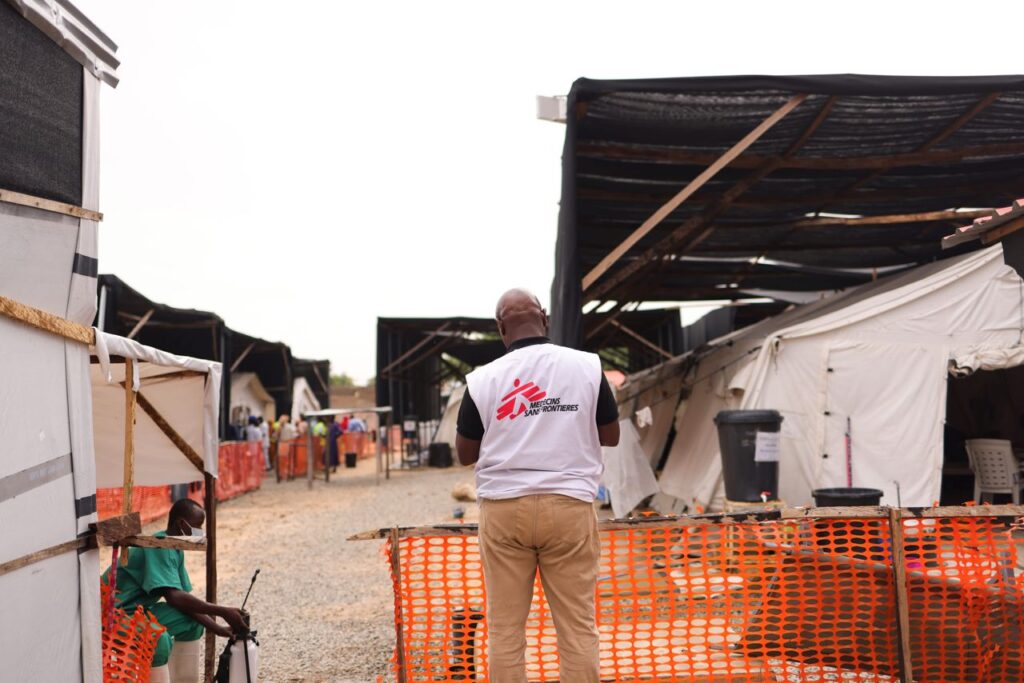
According to MSF, more than 7,400 patients had received treatment at its facilities by June 7, with an average of about 230 admissions recorded daily. The organisation reported that June 5 marked the peak of the outbreak so far, with more than 500 patients admitted in a single day.
“The continued increase in cases shows that more needs to be done to prevent transmission and ensure people can access care as early as possible.” — Bienfait Tombola, MSF Medical Coordinator, Maiduguri*
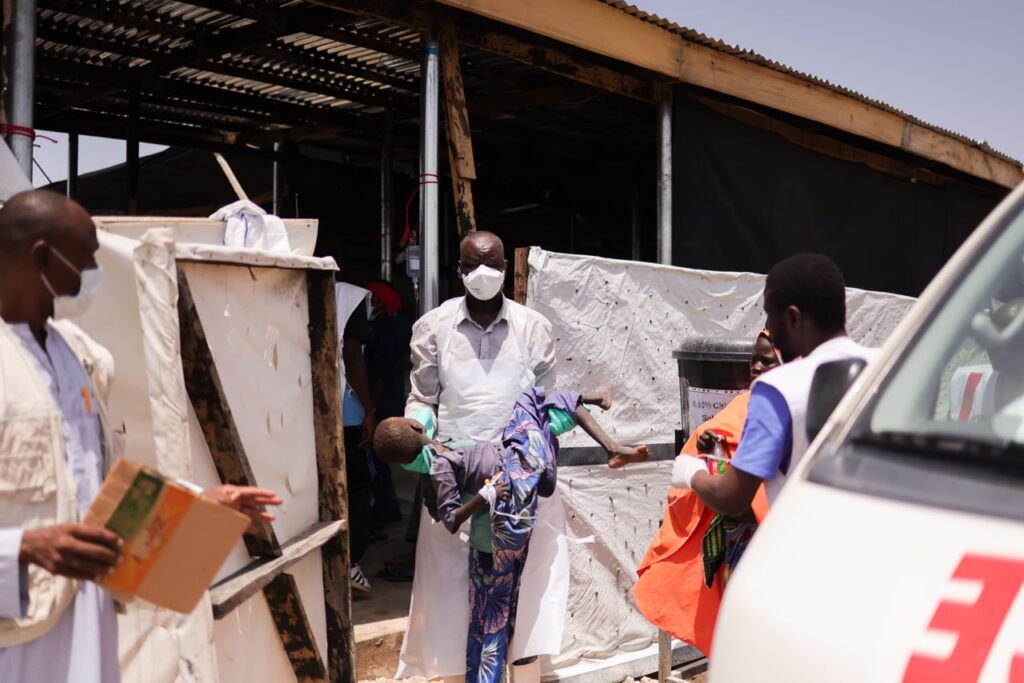
Medical workers on the frontline say many patients arrive in critical condition after travelling long distances to seek treatment.
Beyond direct patient care, response teams are training healthcare workers, setting up oral rehydration points, strengthening disease surveillance, and conducting public health awareness campaigns. Efforts are also underway to improve access to safe water through chlorination programmes and sanitation interventions aimed at reducing the spread of the disease.
Public health experts warn that cholera and other waterborne illnesses thrive in communities where access to clean water, sanitation facilities and healthcare services remains limited. Informal settlements and densely populated areas are considered particularly vulnerable.
Health officials are planning a cholera vaccination campaign as part of broader efforts to curb transmission and prevent further spread of the disease.
MSF and state authorities have stressed that while emergency treatment is saving lives, long-term investments in water, sanitation and hygiene infrastructure will be crucial to preventing recurring outbreaks.
The latest surge adds to the humanitarian challenges facing Borno State, where years of conflict and displacement have strained public services and left many communities vulnerable to disease outbreaks.
