
By Hassan Hussain | April 18, 2026
The Federal Government has intensified efforts to eliminate malaria in Nigeria by enlisting religious leaders to deepen awareness and drive community participation.
The National Coordinator of the National Malaria Elimination Programme (NMEP) at the Federal Ministry of Health and Social Welfare, Dr Nnena Ogbulafor, disclosed this during an advocacy visit to the International Centre for Islamic Culture and Education in Abuja, as part of activities marking the 2026 World Malaria Day.
Dr Ogbulafor said the visit was aimed at strengthening collaboration with religious leaders, particularly Imams, who play a critical role in shaping public behaviour.
She noted that Nigerians hold religious leaders in high esteem and often act on their guidance, making them strategic partners in disseminating key health messages.
According to her, the engagement provided an opportunity to brief the mosque leadership on progress made in malaria control and the challenges still hindering efforts to reduce the disease burden.
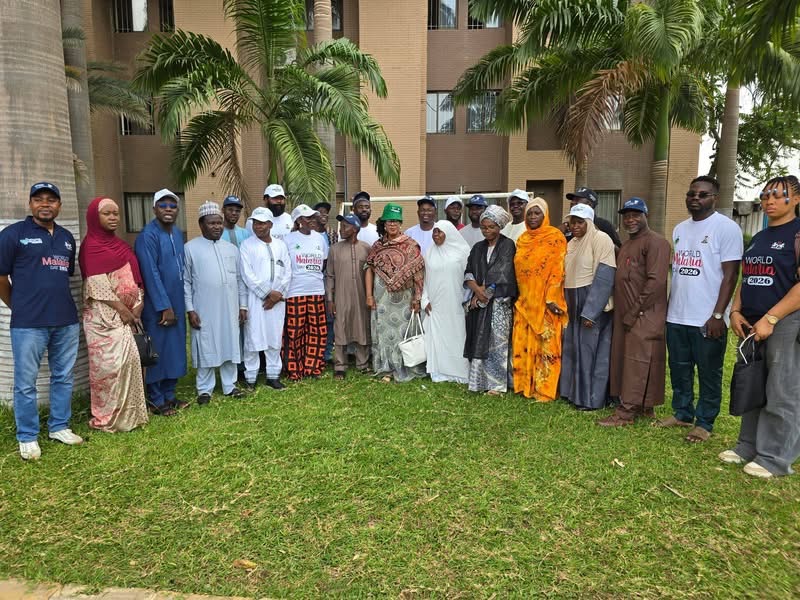
Dr Ogbulafor appealed to religious leaders to use their platforms to educate worshippers on preventive measures and the importance of embracing government interventions.
She added that this year’s World Malaria Day would differ from previous commemorations because it is backed by fresh data from the 2025 Malaria Indicator Survey.
The National Coordinator revealed that Nigeria recorded a significant reduction in malaria prevalence from 22 per cent in 2021 to 15 per cent in 2025, representing a decline of about 30 per cent.
She attributed the progress to the commitment of government at all levels, support from development partners, and sustained public health interventions.
While commending the country’s leadership, the Ministry of Health, and partners for providing resources, technical support, and advocacy, Dr Ogbulafor stressed that more work is needed to achieve a malaria-free Nigeria.
“Malaria elimination is achievable,” she said, urging citizens to support ongoing interventions. She called on community leaders, healthcare workers, parents, and all Nigerians to adopt preventive measures and ensure that vulnerable groups, especially children and pregnant women, benefit from available services.
“With sustained commitment and collective action, Nigeria can reduce malaria prevalence to zero,” Dr Ogbulafor added.
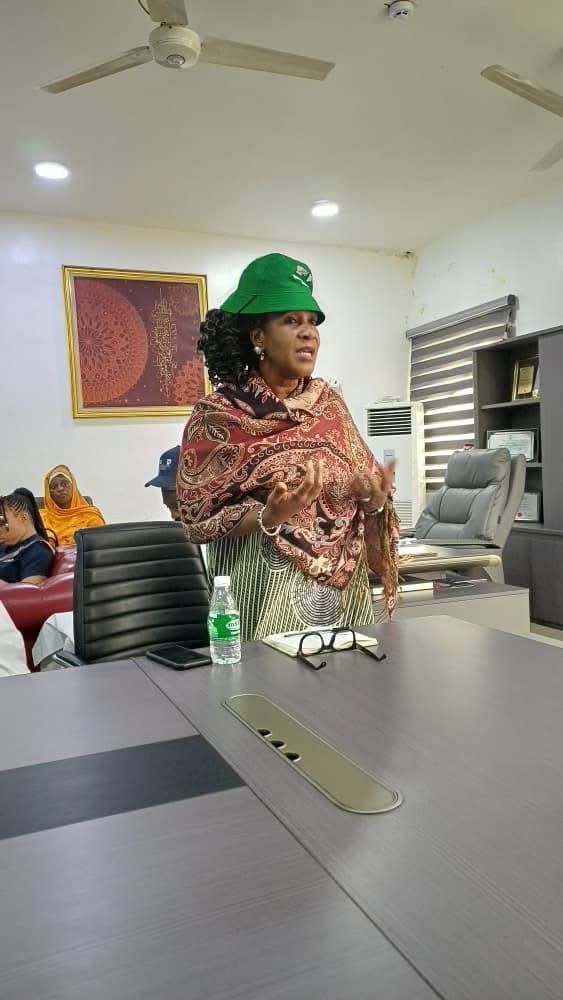
Receiving the delegation, the Director of External Relations, Fundraising and Investment at the International Centre for Islamic Culture and Education, Al-Noor Masjid, Abuja, Mallam Garba Sani, emphasised the importance of collaboration. He described collaboration as working together for mutual benefit, which he said is particularly relevant in health services.
He said the Centre is actively involved in healthcare delivery. Besides operating a sick bay clinic, it regularly organises medical outreach programmes. Given this shared commitment with institutions such as the Ministry of Health, he noted that the partnership would be mutually beneficial, especially for communities that rely on these services.
On the distribution of mosquito nets presented during the visit, Mallam Sani explained that the Centre does not limit distribution to its premises. Instead, outreach teams go directly into underserved communities with limited access to medical services to distribute treated mosquito nets, prioritising women and children.
In separate remarks, the Head of Programme Management at NMEP, Dr Aminu Umar, and the Programme Manager for the FCT Malaria Elimination Programme, Hajia Zainab Ibrahim, said World Malaria Day gives global and African leaders an opportunity to raise awareness and strengthen efforts in regions where the disease remains highly prevalent.
They noted that malaria remains a major public health challenge in Nigeria, which accounts for about 24 per cent of the global malaria burden, with roughly 68 million cases reported in the country last year.
Both experts stressed the need to take advocacy to the grassroots, including religious centres such as mosques, which they described as strategic platforms for information dissemination.
“The choice of mosques is deliberate because of the vital role they play in society. People are more likely to listen, accept, and act on messages that are culturally and spiritually relevant to them, especially when delivered by trusted leaders like Imams,” Dr Umar said.
They added that leveraging such institutions would improve compliance with malaria prevention practices and encourage behavioural change. They expressed optimism that sustained collaboration and public commitment would help Nigeria make significant progress toward eliminating malaria.
The highlight of the event was the official donation of treated mosquito nets to the Centre by the National Coordinator of NMEP for onward distribution.tax
