
(L–R) Representative of the Director-General of DSS, Director of Protocol, M. O. Chukwuka, fsi; Representative of the Inspector-General of Police and Force Public Relations Officer, DCP Anthony Okon Placid, mni, mnipr; the Honourable Minister of Information and National Orientation, Mohammed Idris, fnipr; the Permanent Secretary, Federal Ministry of Information and National Orientation, Dr. Binyerem Chigbonwu Ukaire; Representative of the Head of UNESCO Office, Abuja, and Head of the Communication and Information Sector, Ms. Yachat Nuhu; and Executive Secretary/Chief Executive Officer, Nigerian Press Council, Dr. Dili Ezughah, during a press conference in commemoration of World Press Freedom Day 2026, held on 4 May 2026, in Abuja. Photo: Khalid Ahmed/FMINO.
The Federal Government has called for a concerted national effort to combat the spread of disinformation and misinformation, warning that coordinated action between the media, state institutions and civil society is essential to preserving public trust and democratic stability.
Speaking on Monday at Radio House in Abuja during events marking World Press Freedom Day 2026, the Minister of Information and National Orientation, Mohammed Idris, said the Tinubu administration is prioritising collaboration with media practitioners and international partners to promote responsible journalism and curb the circulation of false narratives.
“This administration has prioritised collaboration with media stakeholders and international partners to promote responsible journalism, counter disinformation and misinformation,” Idris stated.
He reaffirmed that press freedom is a constitutional right and pledged the government’s commitment to maintaining an environment where journalists can work freely, safely and responsibly within the bounds of the law. The minister added that deliberate steps have been taken to improve transparency and public access to information, including sustained engagement with the media, implementation of the Freedom of Information Act, and investment in official communication platforms.
Idris also highlighted Nigeria’s partnership with UNESCO in establishing the International Media and Information Literacy Institute in Abuja as a key step towards equipping citizens to critically assess information in the digital era. “The true test of press freedom lies not in our declarations, but in our actions—how safely journalists can do their work, how truthfully information is shared, and how responsibly it is consumed,” he said.
The Permanent Secretary of the Federal Ministry of Information and National Orientation, Dr Binyerem Ukaire, noted that the rapid expansion of digital platforms has created new complexities that demand institutional coordination. “The expansion of digital platforms has introduced new complexities that require coordinated institutional responses, especially in addressing misinformation and strengthening public trust,” she said.
NUJ Says Nigerian Press Enjoys Relative Freedom, But Challenges Persist
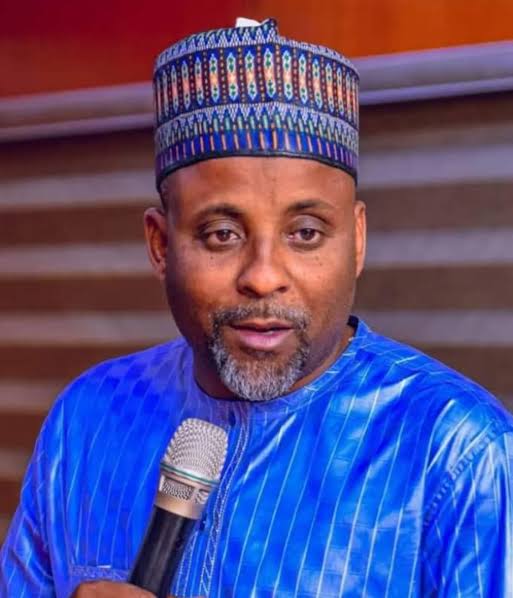
In a related development, the National President of the Nigeria Union of Journalists, Comrade Alhassan Yahaya, said Nigeria remains one of the few African countries where journalists enjoy a considerable level of press freedom, despite lingering challenges.
Speaking in an interview to mark the 2026 International Day of Press Freedom, Yahaya observed that media practitioners in Nigeria operate with relatively more independence compared to their counterparts elsewhere on the continent.
“In Nigeria, we can say the press is a bit freer compared to other countries, especially within the African continent. This is a place where you can practice the profession with minimal interference,” he said.
However, he identified persistent challenges including harassment by security personnel and intimidation from politicians and political thugs.
The Abuja event was attended by senior officials from the security sector, media institutions and international organisations, including representatives of the Department of State Services, the Nigeria Police Force, the Nigerian Press Council and UNESCO.
