
By Henry Ihimekpen
Nigeria’s food system is facing a defining moment as climate change, insecurity, post-harvest waste and heavy reliance on imports combine to threaten long-term food security for its growing population.
The warning emerged from a recent assessment of the country’s food system, which shows that Nigeria’s food challenge goes beyond production volumes to the resilience, sustainability and structure of the system itself.
Presenting the assessment, Prof. Adeoluwa Olugbenga disclosed that Nigeria spent about ₦1.18 trillion on food imports while an estimated 40 per cent of locally produced food is wasted.
The figures highlight a stark contradiction: millions struggle to access affordable food while large quantities of domestic produce never reach consumers and import dependence persists.
The pressure is expected to intensify as climate change disrupts rainfall patterns, worsens drought and erosion in vulnerable zones and makes farming increasingly unpredictable.
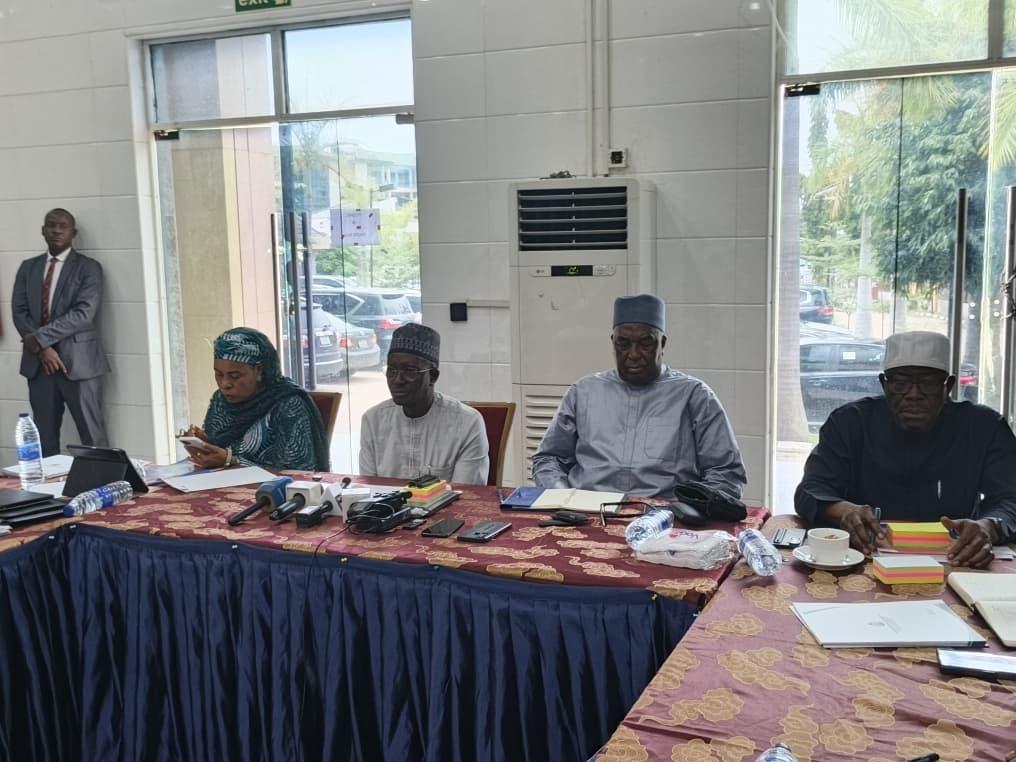
At the centre of the debate is what direction Nigeria’s agricultural transformation should take.
Since the establishment of the National Biosafety Management Agency (NBMA) in 2015, over 25 genetically modified (GM) products have reportedly been approved, including GM beans, Bt cotton and Tela maize, some of which are already in farmers’ fields.
Proponents see biotechnology as one of the tools to boost productivity, but critics have raised concerns over its long-term impact on biodiversity, soil health, indigenous seeds, farmers’ livelihoods and food sovereignty.
Campaigners are now calling for a review of the NBMA Act to strengthen liability provisions for environmental or agricultural damage linked to GM technology.
The experience of Bt cotton has fuelled the debate, with some farmers reportedly questioning whether expected yield gains materialised after several seasons, alongside concerns about soil health and growing dependence on purchased seeds and agrochemicals.
On the other side, agroecology advocates are pushing an alternative pathway anchored on soil regeneration, biodiversity, indigenous crops, seed sovereignty and reduced reliance on external inputs.
Joyce Brown of the Health of Mother Earth Foundation (HOMEF) stressed that farming systems must become more resilient to climate shocks, citing practices such as mixed cropping, crop rotation and composting as ways to strengthen farms while protecting ecosystems.
An emerging reference point is Osun State, where a draft Agroecology Policy has been developed.
Presented by Martins Ogunlade, the draft contains six chapters covering sustainable agri-food systems, ecosystem restoration, agricultural markets, food and nutrition security, knowledge development, implementation oversight and funding. It proposes an Osun State Agroecology Policy Implementation Committee (OSAPIC) to coordinate across ministries.
With about 740,000 hectares of land, including 378,000 hectares arable, Osun is positioning the policy to integrate agroecology into its broader development, climate resilience, forestry and nutrition frameworks.
Analysts say the most urgent warning, however, is post-harvest. With 40 per cent of food wasted, fixing storage, transport, processing and market linkages may be as critical as growing more.
The N1.18 trillion import bill also exposes vulnerability to external shocks at a time when climate disruptions and geopolitical tensions can quickly drive up food prices.
Beyond the GM versus agroecology argument, the bigger question is how Nigeria builds a food system that produces more sustainably, wastes less, protects smallholders, preserves biodiversity and delivers affordable nutrition.
Future food security will hinge not only on what happens on farms, but on linked decisions around seeds, soil, water, markets, storage, technology and farmer rights.
