
By Danjuma Amodu
ABUJA – Nigeria’s hope of reaping the economic benefits of its rapidly growing youthful population is under serious threat unless governments at all levels make urgent investments in education, healthcare, jobs, skills acquisition and reliable population data, top officials and development partners warned on Tuesday.
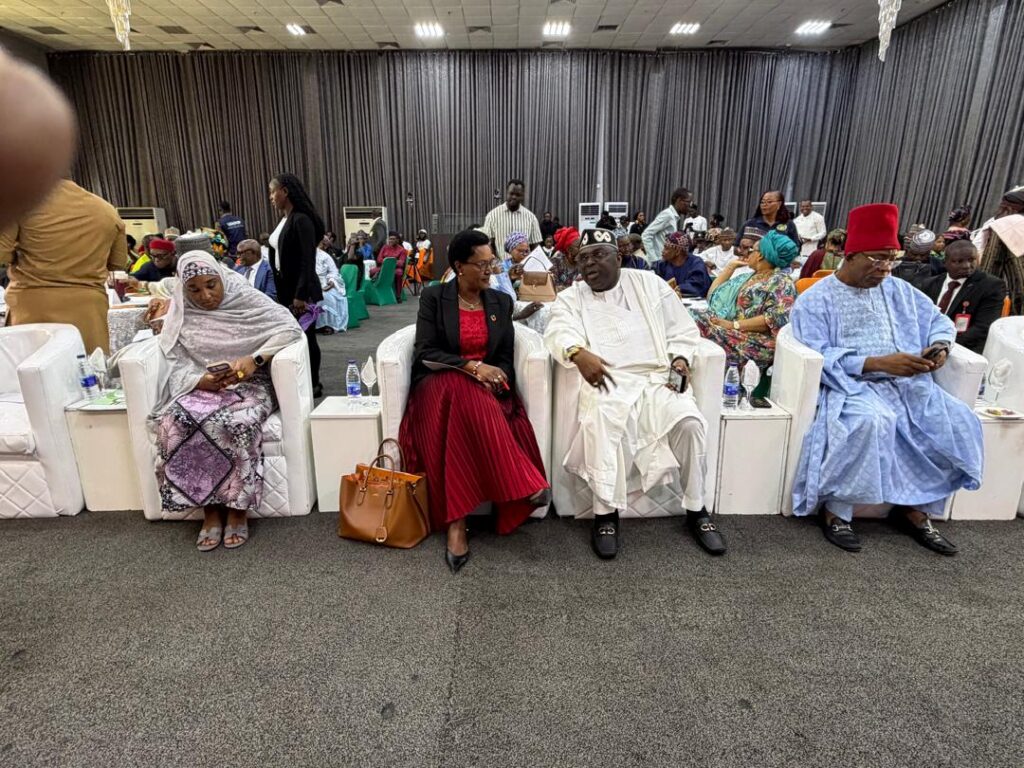
The warning dominated the 2026 World Population Day commemoration in Abuja, where ministers, lawmakers, the National Population Commission, NPC, the United Nations and civil society groups argued that Nigeria’s population could either become its greatest economic asset or its biggest development burden.
Chairman of the NPC, Dr. Aminu Yusuf, said a large youth population alone will not guarantee prosperity without deliberate policies to produce a healthy, educated and productive workforce.
“A demographic dividend is not created by numbers alone,” Yusuf said. “It is created when a country makes the right investments and establishes the right policies to ensure that its growing working-age population is healthy, educated, skilled, productive and economically engaged.”
He warned that rising adolescent pregnancies, poor access to reproductive healthcare and the exclusion of young people from decision-making continue to undermine Nigeria’s development prospects.
“The gap between aspiration and reality is not inevitable. It is a product of inequality, and inequality can be changed.”
– Ms. Muriel Mafico, representing the UN Secretary-General
The Minister of State for Education, Prof. Suwaiba Said Ahmad, described Nigeria’s youth as one of the country’s greatest comparative advantages. She said the Federal Government is pursuing reforms to reduce out-of-school children, expand technical and vocational education, and strengthen digital literacy.
Representing the United Nations Secretary-General, Ms. Muriel Mafico said Nigeria’s future depends on how well it invests in young people, noting that inequality continues to deny millions of youths, especially girls, rural communities and displaced persons, access to education, healthcare and decent jobs.
UNFPA Executive Director, Ms. Diene Keita, in a message delivered by the agency’s Nigeria Representative, Ms. Zubaina Abubakar, said Nigerians aged 10 to 24 account for nearly one-third of the population, making youth investment central to sustainable growth. She added that economic hardship, insecurity and limited opportunities are preventing many young Nigerians from achieving their aspirations.
The event also reignited debate over Nigeria’s long-delayed national census. Chairman of the Senate Committee on National Identity and Population, Senator Victor Umeh, called for a constitutional amendment to mandate a census every 10 years. Nigeria’s last census was in 2006.
“There is no reason why we should not put the interval for conduct of national census in the Constitution,” Umeh said. He added that the National Assembly is supporting the deployment of technology for birth, death and marriage registration to improve demographic data.
Other speakers including the Emir of Shanga, Dr. Haliru Ndanusa Yahaya, PPFN Executive Director Dr. Abubakar Okai, and youth representative Miss Ivanna Itoandon, called for greater investment in girls’ education, credible population data, and the inclusion of young people in policy decisions.
Closing the event, NPC Director-General Abuh Muhammad urged sustained investment in education, healthcare, innovation, digital inclusion, employment and gender equality.
The event, themed “Realizing the Hopes and Aspirations of Young People Today and for the Future,” ended with a consensus that Nigeria’s demographic future will depend not on the size of its population, but on the quality of investments made in its people.
