
By Danjuma Amodu | February 10, 2026
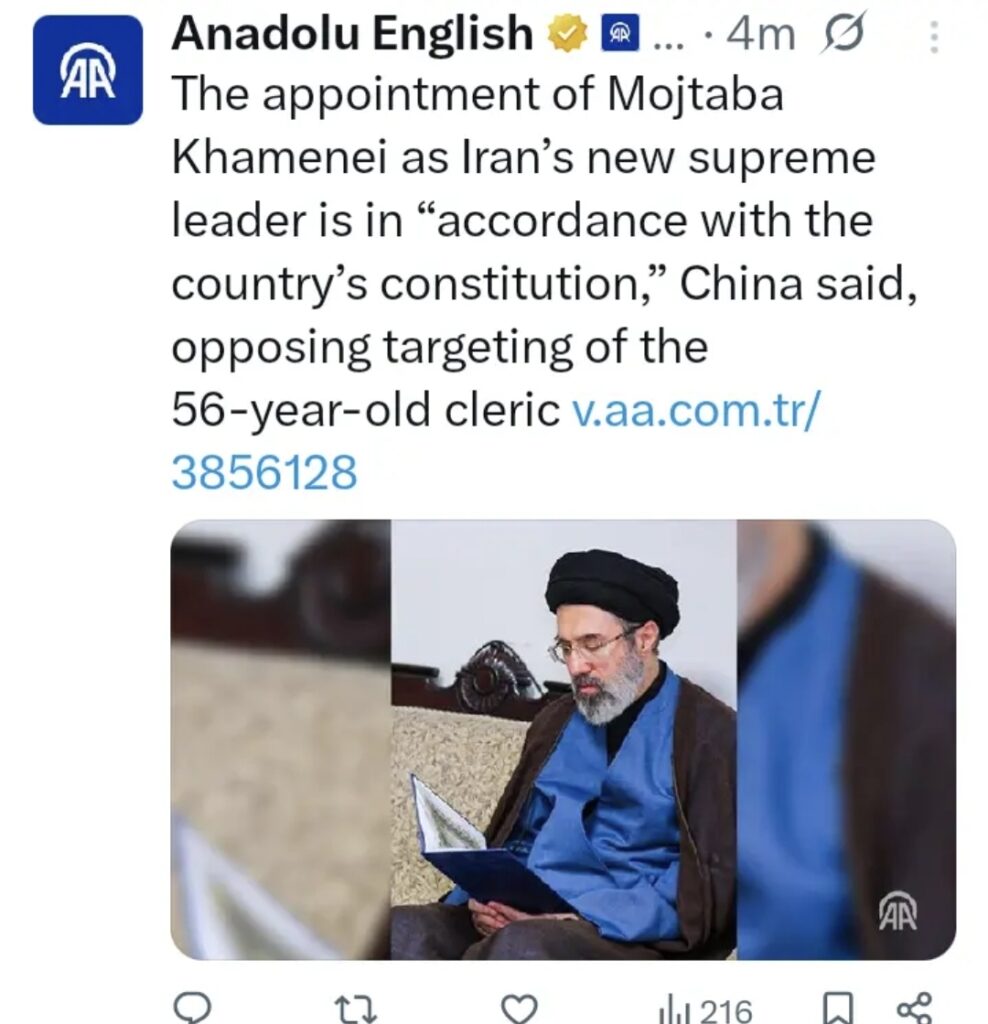
Mojtaba Khamenei’s appointment as Iran’s new Supreme Leader has sent shockwaves globally, with reactions pouring in from world leaders. China and Russia have expressed support for the new leader, emphasizing respect for Iran’s sovereignty and territorial integrity. In contrast, the US and Israel have warned that Mojtaba’s leadership won’t last long without their approval.
China has argued in support of Mojtaba Khamenei as Iran’s new Supreme Leader, citing that the succession is in accordance with the country’s constitution.
China, in a post on Anadolu English, stated: “The Chinese Government, led by President Xi Jinping, opposes any external interference in Iran’s internal affairs, emphasizing respect for Iran’s sovereignty, security, and territorial integrity.”
Similarly, China’s Foreign Ministry Spokesman, Guo Jiakun, stated, “China opposes any external interference in other nations’ internal affairs under any pretext. Iran’s sovereignty, security, and territorial integrity should be respected.” He called for an immediate end to the military conflict and a resumption of dialogue.
Russia’s President Vladimir Putin expressed support for Mojtaba Khamenei, acknowledging the challenges facing the new leader amidst armed aggression.
Putin said, “I am confident that you will continue your father’s work and unite the Iranian people in the face of severe trials.”
The appointment of Mojtaba Khamenei, son of the late Ayatollah Ali Khamenei, has drawn reactions from global powers. US President Donald Trump had warned that the new leader won’t last long without US approval, while Israel’s military threatened to pursue any successor to Ali Khamenei.
The implications of Mojtaba’s appointment are significant, with analysts predicting a hardline stance towards the US and Israel. His close ties with the Islamic Revolutionary Guard Corps (IRGC) suggest a more aggressive approach to regional conflicts. The IRGC has already pledged allegiance to Mojtaba.
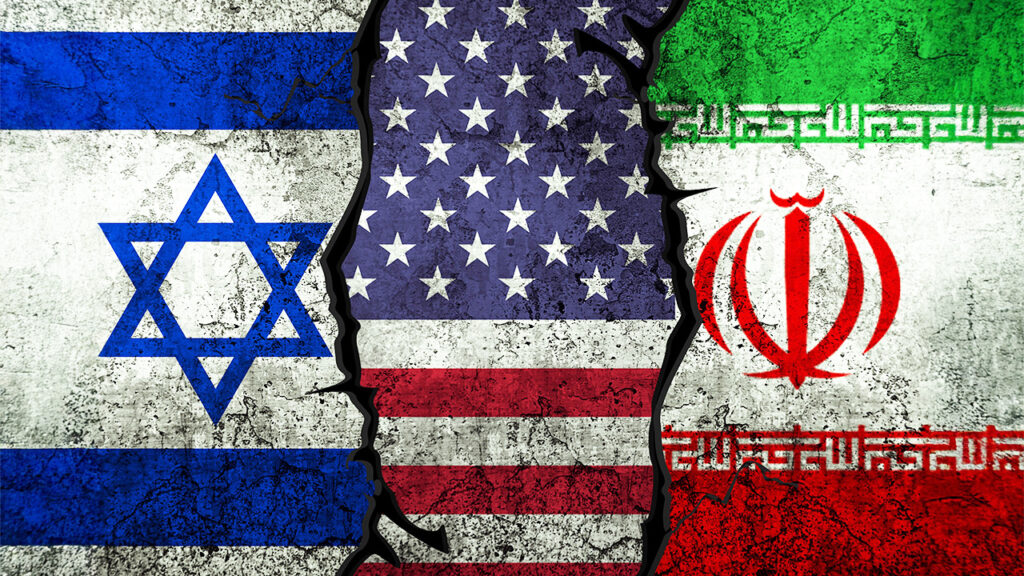
The ongoing US-Israel conflict with Iran has escalated, with missile strikes and drone attacks targeting various locations. Oil prices have surged, and global markets are on edge.
The situation remains volatile, with both sides refusing to back down and potential disruptions to oil flow through the Strait of Hormuz.
