By Danjuma Amodu | March 12, 2026
The Federal Government of Nigeria has announced it will not intervene in petrol price regulation despite escalating geopolitical tensions in the Middle East, causing volatility in global oil markets.
The government instead plans to introduce initiatives to cushion the impact, Finance Minister Wale Edun said in an interview with Channels Television on its programme ‘Politics Today’ on Wednesday March 10, 2026.
Edun cited the provision of 100,000 additional compressed natural gas (CNG) conversion kits as an example, allowing vehicles to switch to CNG fuel, which costs 25-30% of petrol prices. “We’ll look at every other measure that can help the cost of living of Nigerians,” he said, emphasizing market-based pricing for petroleum products.
The Middle East conflict has triggered crude oil price fluctuations, affecting Nigeria’s oil and gas prices, capital flows, and logistics costs. Private sector operators, like Dangote Refinery, have adjusted prices reflecting market conditions. Edun praised Dangote’s investment, saying Nigeria needs to support its refiners to ensure a steady supply of petroleum products.
“When there is market failure, that is where the regulator steps in. But in terms of balancing pricing, what we are looking to do is to manage the disruption, and we don’t know how permanent or temporary it could be,” Edun said.
The Minister noted that the price adjustments by private sector operators, particularly Dangote refinery, reflect prevailing market conditions. On Tuesday, Dangote refinery reduced its ex-gantry petrol price to N1,075 per litre after implementing three earlier increases, although pump prices remain high.
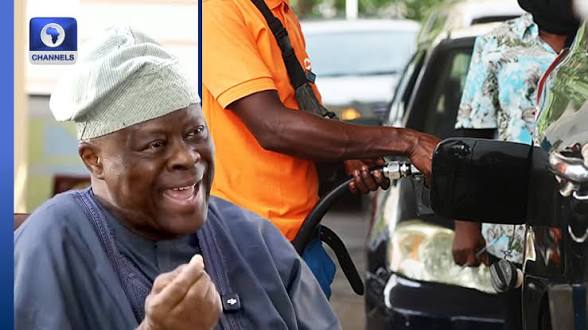
Edun attributed the resilience of the Nigerian economy to private sector investment in refining, particularly by Aliko Dangote, president of Dangote Group. He stressed that the country needs to support its refiners to ensure a steady supply of petroleum products, just as other nations support theirs.
The development has led to a surge in transport fares, with some major routes in Nigeria experiencing a doubling of fares. The government is exploring alternative measures to mitigate the impact on Nigerians.
