
Health minister says 27 states now in moderate-transmission band, 9 states including FCT in low-transmission band; new 2025–2030 strategy targets 50% cut in malaria deaths.
By Hassan Hussain
The Federal Government says sustained investments in malaria prevention and treatment are delivering positive results, with no state in Nigeria currently classified as a high malaria transmission area.
The Coordinating Minister of Health and Social Welfare, Professor Muhammad Ali Pate, disclosed this in Abuja at a forum tagged “The Science of Defeating Malaria.”
Represented by the Director-General of the National Health Insurance Authority, Dr. Kelechi Ohiri, Professor Pate said 27 states are now classified as moderate-transmission areas, while nine states, including the Federal Capital Territory, fall within the low-transmission category.
He attributed the progress to years of strategic partnerships, community engagement, and the commitment of health workers across the country.
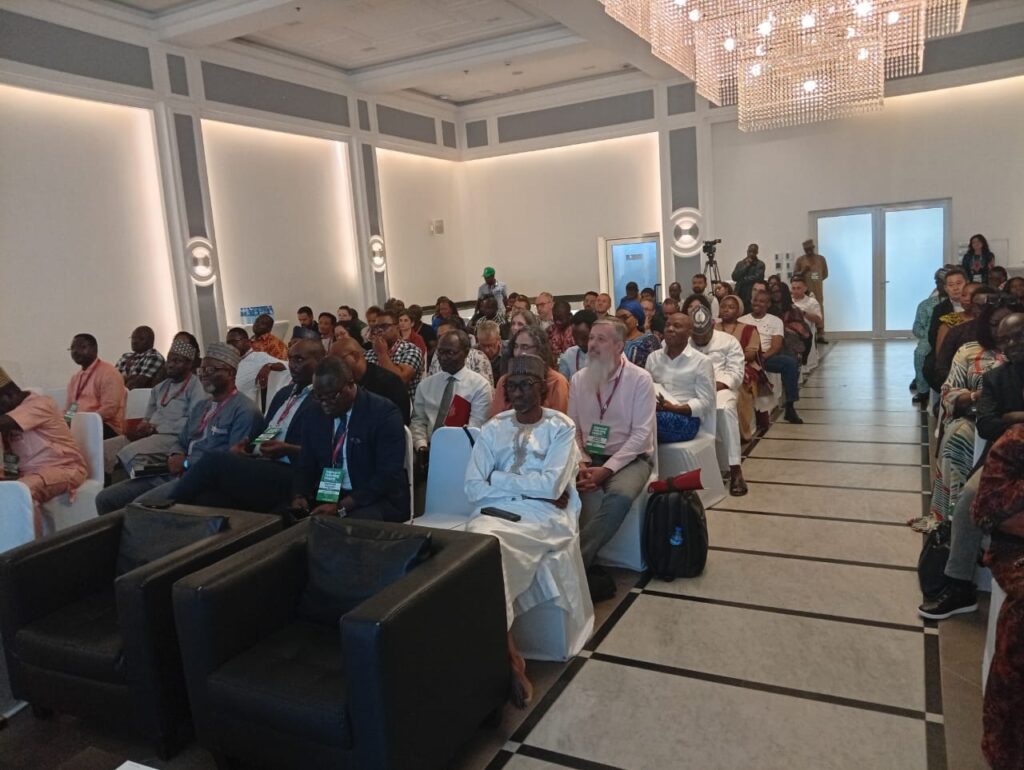
“This progress reflects years of partnership, community engagement, and the dedication of health workers providing leadership across Nigeria,” Professor Pate said.
Professor Pate called for sustained efforts through improved data collection, adaptability, and accountability, stressing that the administration of President Bola Tinubu is focused on improving the efficiency of health investments.
The minister said the Federal Government had developed a National Malaria Strategic Plan for 2025 to 2030 aimed at reducing malaria mortality by 50 per cent in line with the World Health Organization target for 2030.
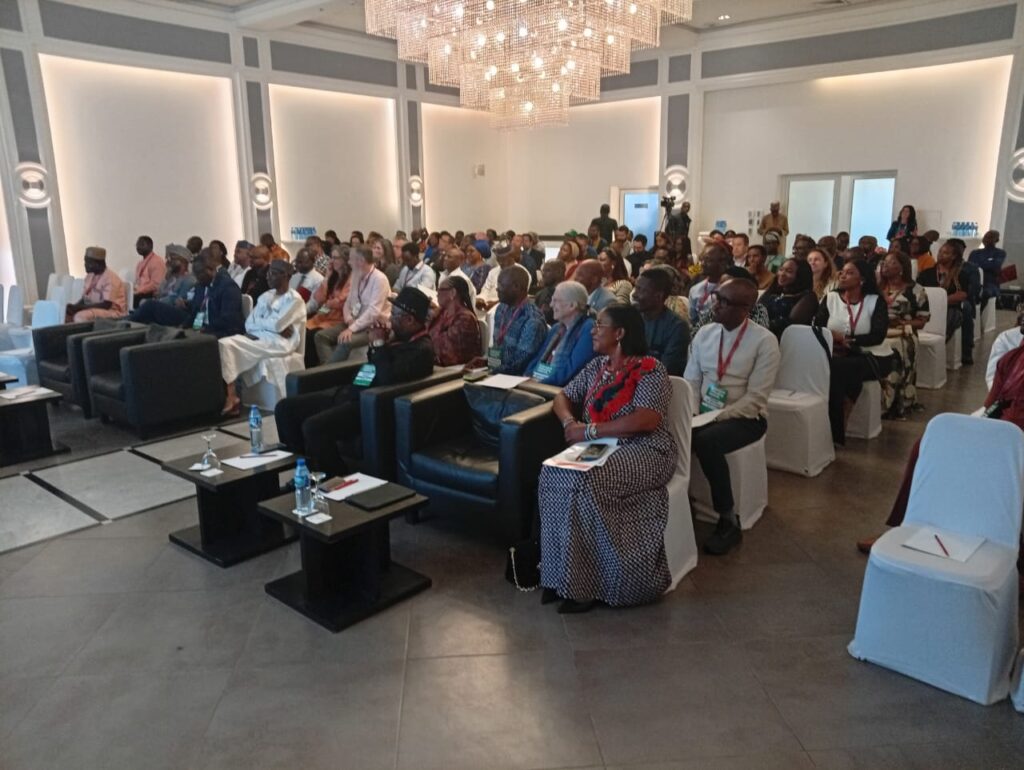
He emphasized the need for an evidence-driven malaria programme capable of rapid learning and informed decision-making.
“All these data streams must come together to guide timely decisions at all levels, identify where children are missing vaccine doses, where insecticide resistance is emerging, and where communities face the greatest barriers to diagnosis,” he said.
Professor Pate expressed optimism that malaria could be eliminated through unity, collaboration, and accountability, assuring that the ministry would continue to champion a comprehensive ECOWAS regional malaria elimination framework, harmonized data systems, and cross-border surveillance.
Also speaking, a representative of the African Office of the European and Developing Countries Clinical Trials Partnership, Dr. Olusola Ayoola, said the forum was designed to equip participants from across Sub-Saharan Africa with effective malaria elimination strategies.
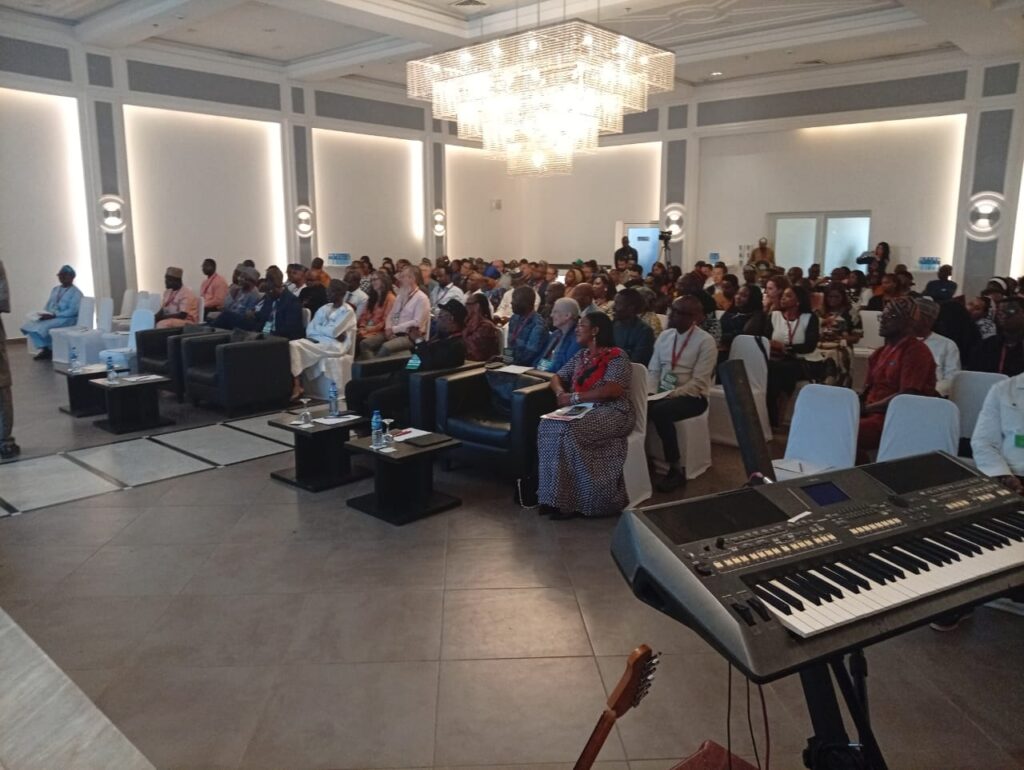
Meanwhile, the Coordinator of the National Malaria Elimination Programme, Dr. Nnenna Chizaram Ogbulafor, revealed that the programme had funded more than 42 grants and sponsored women from 16 Sub-Saharan African countries for malaria leadership development courses.
