
By Hassan Hussain
Stakeholders at the 2026 National Social Cohesion Dialogue have called for stronger collaboration between the Federal Government and traditional as well as religious institutions to promote peace, unity, and national integration.
They noted that the two institutions remain among the most trusted platforms for mobilising citizens, resolving conflicts, and strengthening social bonds across Nigeria’s diverse communities.
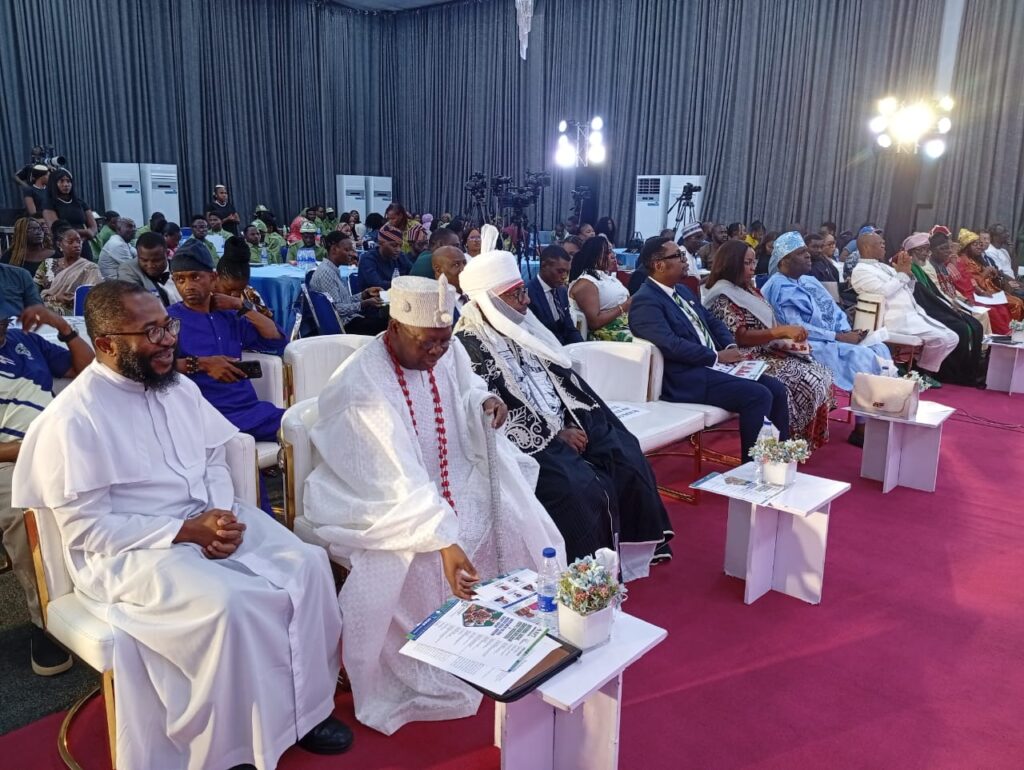
The call was made in Abuja during the dialogue organised by the Africa Polling Institute, which brought together policymakers, traditional rulers, religious leaders, development partners, and civil society organisations to discuss ways of improving social cohesion in the country.
The event, themed “Strengthening the Role of Religious and Traditional Institutions as Key Agents of Social Cohesion,” also featured the presentation of findings from the 2026 Nigeria Social Cohesion Survey supported by the Ford Foundation.
Presenting the report, the Executive Director of the Africa Polling Institute, API, Professor Bell Ihua, said Nigeria’s Social Cohesion Index increased to 48.8 per cent in 2026, representing a two-percentage-point rise from the previous year.
Professor Ihua said the improvement reflected Nigerians’ resilience and commitment to peaceful coexistence despite challenges such as insecurity, economic difficulties, and social tensions.
He added that for the first time since the survey began, a majority of respondents identified themselves primarily as Nigerians rather than through ethnic, religious, or regional affiliations, describing it as a significant milestone in nation-building.
The survey, however, showed continued low confidence in government institutions, while traditional and religious leaders maintained relatively higher levels of public trust.
Professor Ihua explained that the study assessed key indicators including identity, trust, social justice, civic participation, tolerance, inclusion, accountability, security, and citizens’ expectations for the future.
A Programme Officer with the Ford Foundation, Onyinye Onyema-Obi, said Nigeria’s diversity remains a major strength that requires responsible leadership and deliberate efforts to manage social differences.
She stressed that traditional and religious leaders play critical roles as custodians of values and voices of influence within communities, adding that their involvement is essential in addressing misinformation, insecurity, and social division.
The Archbishop of Abuja, Most Reverend Ignatius Kaigama, represented by Reverend Father Emmanuel Unamba, described the findings as a call to action for leaders and citizens.
He said the trust enjoyed by traditional and religious institutions provides an opportunity to deepen national unity, while urging them to remain neutral and avoid partisan politics.
The Archbishop emphasised that cultural and religious identities should complement, rather than replace, commitment to the Nigerian project.
He advocated stronger partnerships between government and community leaders, including structured consultation platforms, capacity building in conflict resolution, and support for community-driven development initiatives.
In a goodwill message, the Emir of Kano, Muhammadu Sanusi II, represented by Falakin Kano, Mukhtar Ibrahim Bello, described traditional and religious institutions as important tools for dialogue, mediation, and reconciliation.
The Emir urged leaders to promote tolerance, justice, and peaceful coexistence while rejecting extremism and divisive tendencies.
Also speaking, the Chairman of the Ekiti State Council of Traditional Rulers and Ogoga of Ikere-Ekiti, Oba Samuel Alagbado, commended the Emir of Kano for his courage in speaking on national issues.
He said traditional rulers must continue to contribute to national conversations while maintaining the confidence and respect of their communities.
Our correspondent reports that participants agreed that strengthening trusted community institutions, alongside effective governance, would be critical to building a peaceful, inclusive, and united Nigeria.
