
_…Salako unveils N70 billion plan as Senate, MSF, WHO and others demand surveillance, reconstructive care and routine screening_
*By Danjuma Amodu*
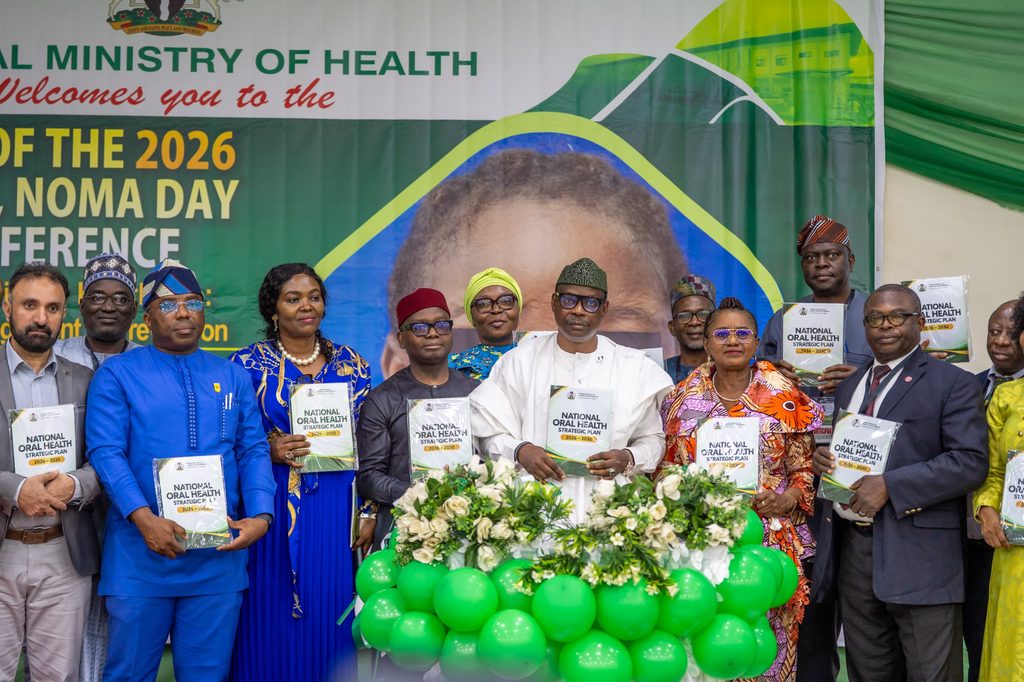
The Federal Government on Monday launched the National Oral Health Strategic Plan 2026-2030, declaring an end to the long neglect of oral health in Nigeria’s drive towards Universal Health Coverage.
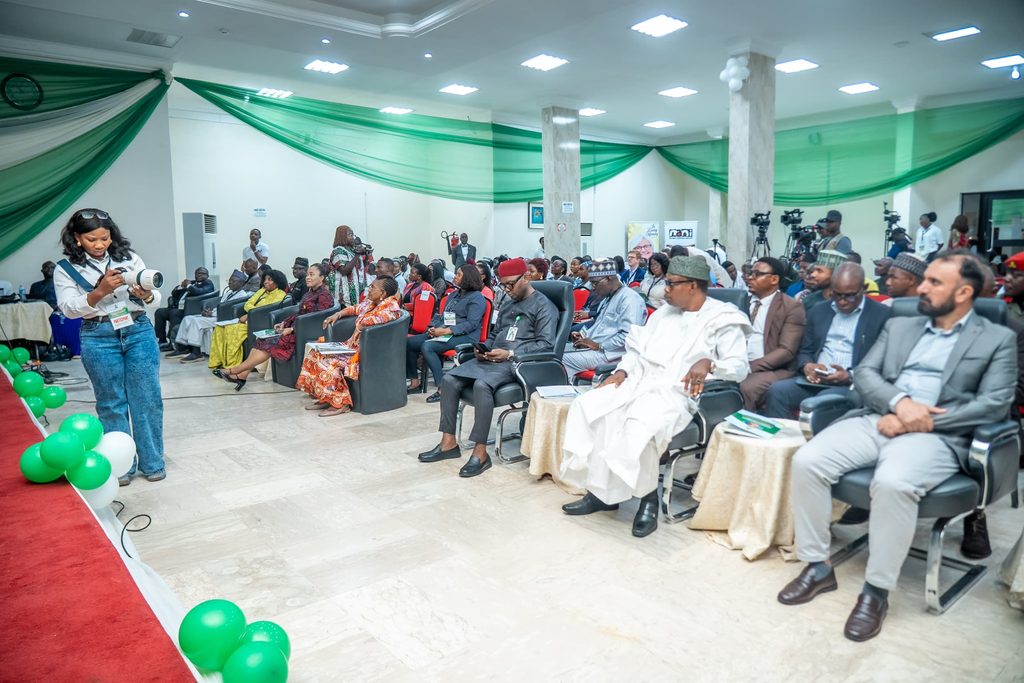
The launch coincided with the commemoration of National Noma Day and National Oral Health Day, held on Monday, 9th November, 2026, at Reiz Continental Hotel, Abuja.
The keynote address at the event was delivered by the Honourable Minister of State for Health and Social Welfare, Dr. Iziaq Adekunle Salako.
Salako said the Renewed Hope Agenda of President Bola Ahmed Tinubu places the health and wellbeing of every Nigerian at the centre of national development, and that the government was reaffirming its resolve to treat oral health as integral, not peripheral, to healthcare.
He framed the commemoration as a voice for children living with Noma, schoolchildren with untreated tooth decay, and patients whose diabetes is complicated by gum disease, describing them as evidence of persistent inequality in the health system.
According to the minister, Noma, a fast-progressing gangrenous infection of the mouth and face, should have no place in the 21st century. He noted that what begins as a simple gum infection in a malnourished, immunocompromised child can within days cause devastating facial destruction, disability or death, adding that Nigeria carries one of the highest burdens globally, concentrated in the North-West and North-East.
Salako said survivors often face stigma, isolation and exclusion, and described the World Health Organization’s recognition of Noma as a Neglected Tropical Disease in 2023 as a turning point that ended the era of neglect.
He credited the Noma Children’s Hospital Sokoto, Médecins Sans Frontières, Noma Aid Nigeria Initiative, health professionals, researchers, advocates and development partners for sustaining advocacy that brought global attention to the disease.
The minister said Noma is preventable through good nutrition, exclusive breastfeeding, routine immunisation, proper oral hygiene and prompt treatment of measles and malaria. He said surveillance has been integrated into the Integrated Disease Surveillance and Response system to enable primary healthcare facilities to identify and refer cases at Stages 0 and 1, when treatment is most effective.
He added that the government’s position is that no child should die or suffer permanent disfigurement from Noma again.
Salako said oral health is being integrated into Primary Health Care, with education, preventive services, basic diagnostics and referral pathways being strengthened. He said frontline workers, traditional healers and traditional birth attendants in 19 states have been trained on early identification of Noma and other oral diseases.
He noted that while the burden remains highest in the North-West and North-East, cases have also been identified in the South-East, South-South and South-West, underscoring the need for a coordinated national response. He said awareness, early detection, timely referral and reduced stigma have improved as a result.
The minister linked poor oral health to wider outcomes, arguing that a child with toothache cannot learn effectively, an adult with diseased teeth may struggle to eat, speak or secure employment, and poor oral health can worsen diabetes, raise cardiovascular risk and contribute to adverse pregnancy outcomes.
Citing national data, he said over 80% of Nigerians have never visited a dentist, two out of every three children live with untreated dental caries, and the dentist-to-population ratio stands at about 1:38,000 against the WHO recommendation of 1:7,500. He said most Nigerians still pay out-of-pocket and seek care only when pain or complications set in.
Salako said the government intends to reverse the trend through the Sector-Wide Approach and the Basic Health Care Provision Fund, to make quality oral healthcare accessible and affordable. He disclosed that the Federal Executive Council has approved the National Center for Oral Health establishment bill 2026 and transmitted it to the National Assembly.
He described the 2026-2030 plan as the roadmap to Universal Health Coverage for oral health, developed with the Nigerian Dental Association, other professional bodies, academic institutions, development partners and state governments.
According to him, the plan prioritises prevention and promotion through access to fluoride toothpaste, school oral health programmes, sugar-reduction initiatives and integration into nutrition, maternal and child health, non-communicable disease and other programmes.
It also seeks to strengthen the system through training and equitable deployment of Dental Therapists and Dental Surgery Technicians, improved PHC infrastructure and equipment, stronger referrals, expanded access across all 774 local government areas, and stronger governance, financing, monitoring and accountability.
Salako put the cost of the plan at about N70 billion over five years, and urged states and local governments to domesticate and implement it, partners including WHO, UNICEF and the FDI World Dental Federation to sustain support, and professionals to embrace coordinated, people-centred care.
The Senate Committee on Health, chaired by Senator Ipalibo Harry-Banigo, pledged legislative and financial backing, with the committee stressing that Noma is preventable and treatable when detected early.
The committee disclosed that funding for the Basic Health Care Provision Fund has been increased from one to two per cent to strengthen frontline services and community interventions.
It listed the Noma Children’s Hospital in Sokoto, the Intercountry Centre in Jos and the ongoing retrofitting of dental centres in federal university teaching hospitals as critical pillars of the national response.
Lawmakers at the event said legislative measures are being pursued to institutionalise routine oral health screenings, early diagnosis of dental infections and specialised training in reconstructive surgery.
In a goodwill message, the Country Representative of Médecins Sans Frontières, Dr Aldikhari Ahmed, called for stronger community surveillance and early detection, warning that delay in treatment could lead to severe facial disfigurement, disability and death.
He commended the Federal Government for integrating Noma into primary healthcare guidelines and including it in the Surveillance Outbreak Response Management and Analysis System.
Ahmed said MSF has supported treatment at the Noma Children’s Hospital in partnership with the Federal Ministry of Health and Sokoto State Ministry of Health since 2014, facilitating more than 1,759 major reconstructive surgeries for 1,174 patients through 35 surgical missions.
He disclosed that in 2026 alone, 114 surgeries were performed on 96 patients, while 28 Nigerian surgeons and 14 anaesthetists received specialist training.
Similarly, the WHO Country Representative in Nigeria, Dr Pavel Ursu, represented by Dr Victor, called for Noma prevention and comprehensive treatment to be embedded in routine primary healthcare.
He noted that the disease predominantly affects malnourished children aged two to six in impoverished communities, but said early diagnosis and treatment can prevent its devastating consequences.
Earlier, the Permanent Secretary of the Federal Ministry of Health and Social Welfare, Daju Kachollom, represented by her Senior Technical Assistant, Dr Dogara Okara, said the strategic plan would reposition oral healthcare through prevention, early diagnosis, community capacity building and improved access to quality services.
In a separate keynote, Dr Adebimpe Adebiyi paid tribute to the late founder of Hilfsaktion Noma, Mama Ute Winkler-Stumpf, for her work in treatment and rehabilitation of affected children.
She recalled that the organisation worked with WHO and Nigerian authorities to establish treatment infrastructure, including the Noma Centre in Abuja, where many children received free reconstructive surgeries.
Adebiyi urged stakeholders to sustain that legacy by prioritising prevention, early detection and community awareness, insisting that elimination will require collective effort by government, professionals, civil society and international partners.
Salako closed by urging renewed resolve to ensure no child is left behind, no case goes undetected and no family is denied lifesaving care, saying strong leadership, sustained investment, partnerships and community engagement can eliminate Noma as a public health problem.
Stakeholders at the event agreed that sustained funding, stronger surveillance, effective coordination and community engagement will be critical to eliminating Noma in Nigeria.
