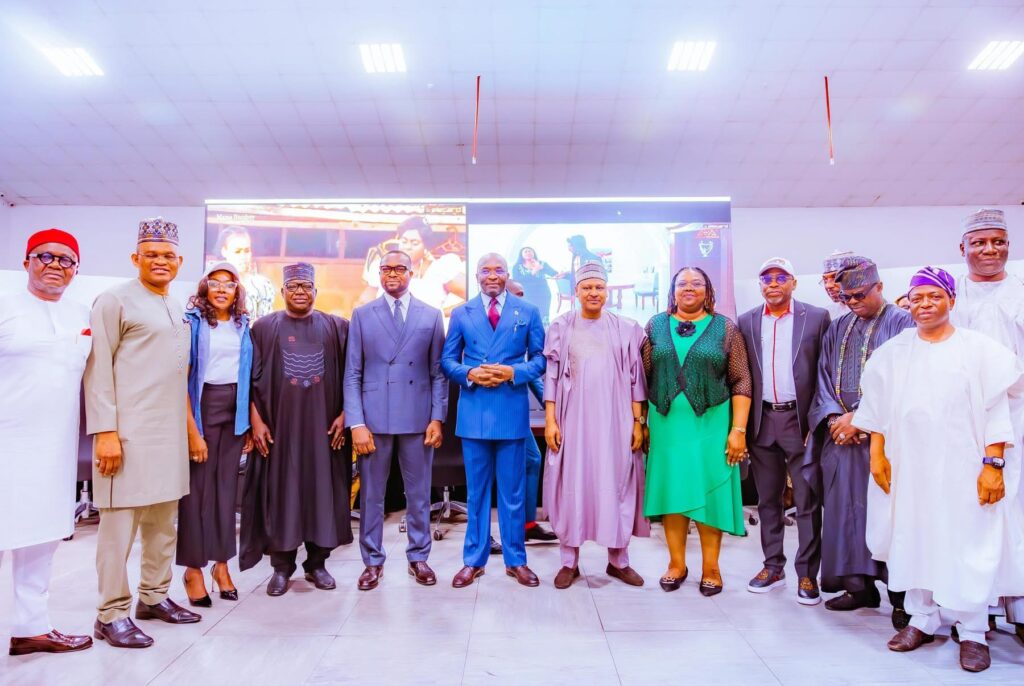
L-R: Jane Egerton-Idehen, MD/CEO NIGCOMSAT Ltd, The Deputy Speaker House of Representatives, Benjamin Kalu, and Honourable Minister of Information and National Orientation, Mohammed Idris at the launch of Nigeria’s Digital Switch Over.
By DANJUMA AMODU
Nigeria begins nationwide digital broadcasting transition after Abuja consensus on hybrid model, with NIGCOMSAT projecting ₦600 billion in economic value and services for 40 million homes.
Nigeria’s long-delayed transition from analogue to digital broadcasting commenced on Wednesday, 17th June 2026, with the formal launch of the next phase of the Digital Switch Over, DSO, programme, following a broad consensus reached by stakeholders at a high-level meeting in Abuja the previous day.
The Managing Director and Chief Executive of NIGCOMSAT Limited, Jane Egerton-Idehen, opened the rollout with a charge that framed the migration as more than a technical upgrade. Linking the launch directly to Tuesday’s stakeholder engagement on 16th June 2026, she said the agreement struck there provided the policy and industry alignment needed for implementation to begin.
“Behind every television screen is a story; a family seeking information, a student seeking knowledge, an entrepreneur seeking opportunity, and a nation seeking progress,” Egerton-Idehen said. She projected that the DSO would unlock over ₦600 billion in economic opportunities and deliver digital broadcasting services to more than 40 million homes, with superior picture and sound quality, additional channels, greater content diversity, improved spectrum efficiency and a better viewing experience.
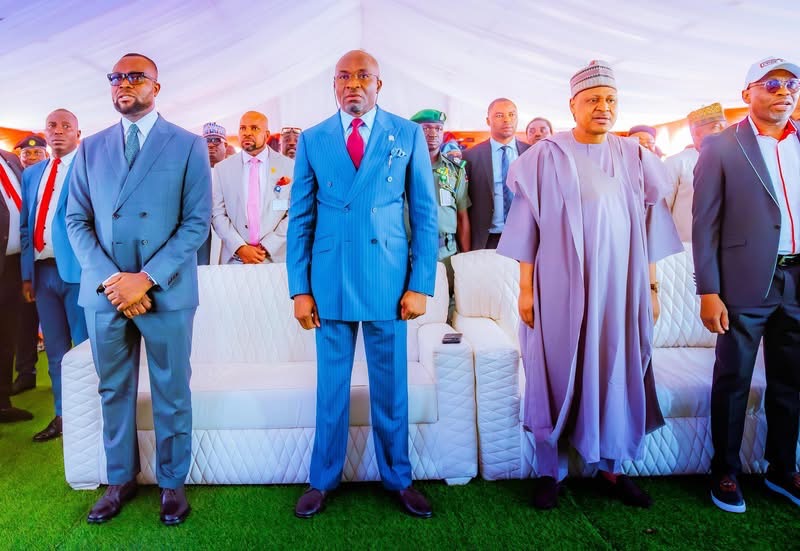
“Nigeria was not merely switching over television signals but switching on innovation, inclusion, economic opportunities and digital empowerment.”
— Jane Egerton-Idehen, Managing Director and Chief Executive, NIGCOMSAT Ltd
The 16th June meeting was convened by the Honourable Minister of Information and National Orientation, Mohammed Idris, and brought together the Minister of Communications and Digital Economy, the National Broadcasting Commission, NBC, NIGCOMSAT, broadcasters, signal distributors, manufacturers, satellite operators and content creators to resolve outstanding issues around DSO implementation.
Minister Idris described the outcome as evidence of industry readiness and a shared commitment to repositioning Nigeria’s broadcasting sector for competitiveness and growth. “The level of agreement we have achieved shows that stakeholders are aligned on the future of Nigeria’s broadcasting industry. This is a strong foundation for accelerated implementation,” he said, reaffirming government’s pledge to provide a stable regulatory environment, safeguard investments and ensure inclusive rollout.
The Minister of Communications and Digital Economy said the DSO aligns with Nigeria’s broader digital economy agenda and will complement broadband expansion by delivering last-mile connectivity for education, health and e-government services, particularly in underserved communities. He pledged to harmonise spectrum management and licensing frameworks to reduce friction for broadcasters and technology firms.
The Director-General of the National Broadcasting Commission, Mr. Charles Ebuebu, said NBC would enforce technical standards while maintaining a level playing field. He confirmed that licensing obligations, signal distribution terms and content quotas had been reviewed to reflect digital broadcasting realities, and that NBC would monitor signal quality and consumer access throughout the transition.
Deputy Speaker of the House of Representatives, Benjamin Kalu, who attended the Abuja meeting, described the migration as a developmental threshold for the country. “This is not simply a migration from analogue to digital broadcasting. It is a developmental threshold that separates nations that consume the future from those that actively shape it,” Kalu said. He added that digital inclusion should be treated as a national development priority, stressing that “the digital divide is no longer a technical gap; it is a development gap”.
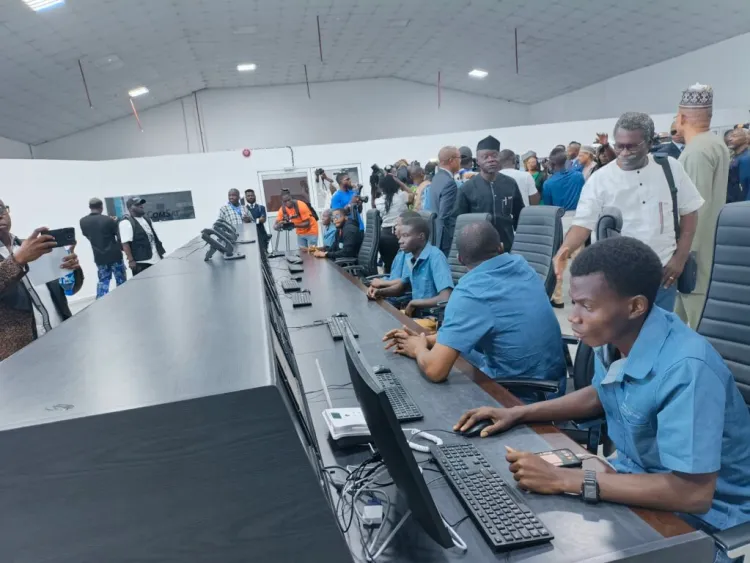
Stakeholders agreed on a hybrid broadcasting model that retains Digital Terrestrial Television, DTT, while integrating satellite and broadband delivery. The framework also includes stronger investment protection mechanisms, improved business models and institutionalised quarterly consultations to monitor rollout and maintain alignment. A communiqué issued after the meeting confirmed consensus on periodic stakeholder engagement, enhanced local manufacturing and stronger incentives for content development.
The Director-General of the Nigerian Television Authority, NTA, Mr. Salihu Abdullahi Dembos, said the public broadcaster was ready to expand its digital bouquet under the hybrid model. Chairman of the Broadcasting Organisations of Nigeria, BON, Senior High Chief Tony Akiotu, welcomed the agreement on investment protection, noting that policy certainty was critical for broadcasters committing capital to new equipment and local content.
Chairman of Channels Television, Mr. John Momoh, said the decision to institutionalise quarterly stakeholder engagement would address the mistrust that stalled previous DSO phases. The Director-General of the Advertising Regulatory Council of Nigeria, ARCON, Dr. Olalekan Olumuyiwa Fadolapo, said advertisers were prepared to increase investment in the digital ecosystem once audience measurement improves with digital transmission.
Representatives of manufacturers and content creators at the meeting said the hybrid model would create demand for set-top boxes, transmission equipment and locally produced programmes. They urged government to sustain incentives for local assembly and production to maximise job creation within the creative and technology sectors.
Egerton-Idehen reiterated NIGCOMSAT’s commitment to bridging Nigeria’s digital divide through satellite infrastructure, particularly in remote areas where terrestrial coverage remains limited.
“The true measure of success will be the lives transformed, the communities connected, the opportunities created, the businesses empowered, the knowledge shared and the future unlocked.”
— Jane Egerton-Idehen, MD/CEO NIGCOMSAT Ltd
The Federal Government said it would work closely with regulators, broadcasters and technology partners to deliver the DSO’s full economic and social benefits. Officials stated that the adoption of the hybrid model and alignment among key players would accelerate Nigeria’s migration to digital broadcasting standards and support national objectives of economic diversification, digital inclusion and sustainable development.
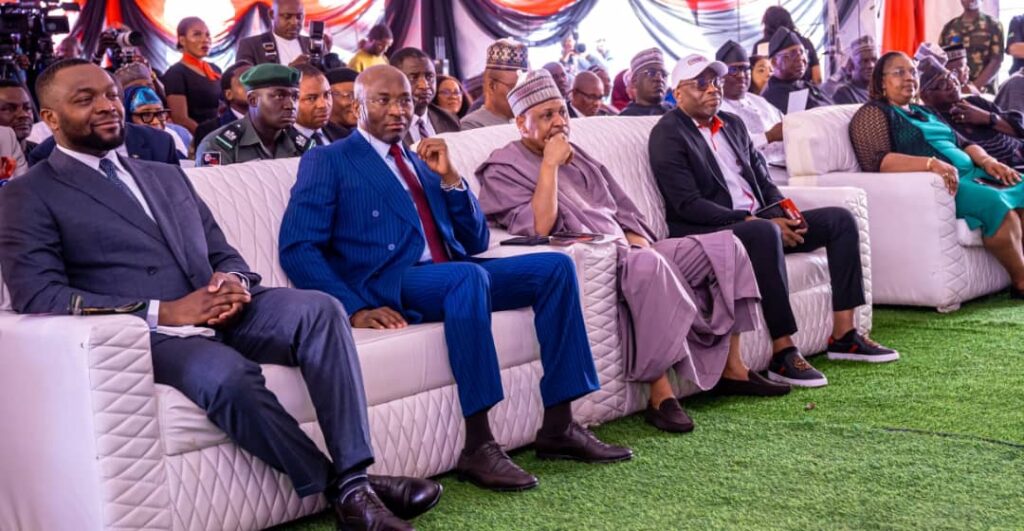
Stakeholders present included the Permanent Secretary, Federal Ministry of Information and National Orientation, Dr Binyerem C. Ukaire, and the heads of NBC, NTA, NIGCOMSAT, BON, ARCON and Channels Television, Ahmed Isah of Human Rights Radio, host of the popular Brekete Family Show was also present alongside representatives from manufacturing, content creation and technology sectors.
