
After enduring trafficking, exploitation, and loss in Libya, Miracle Ikechukwu returns to Nigeria through IOM’s reintegration programme, sharing her story as a warning against irregular migration and a testament to second chances.
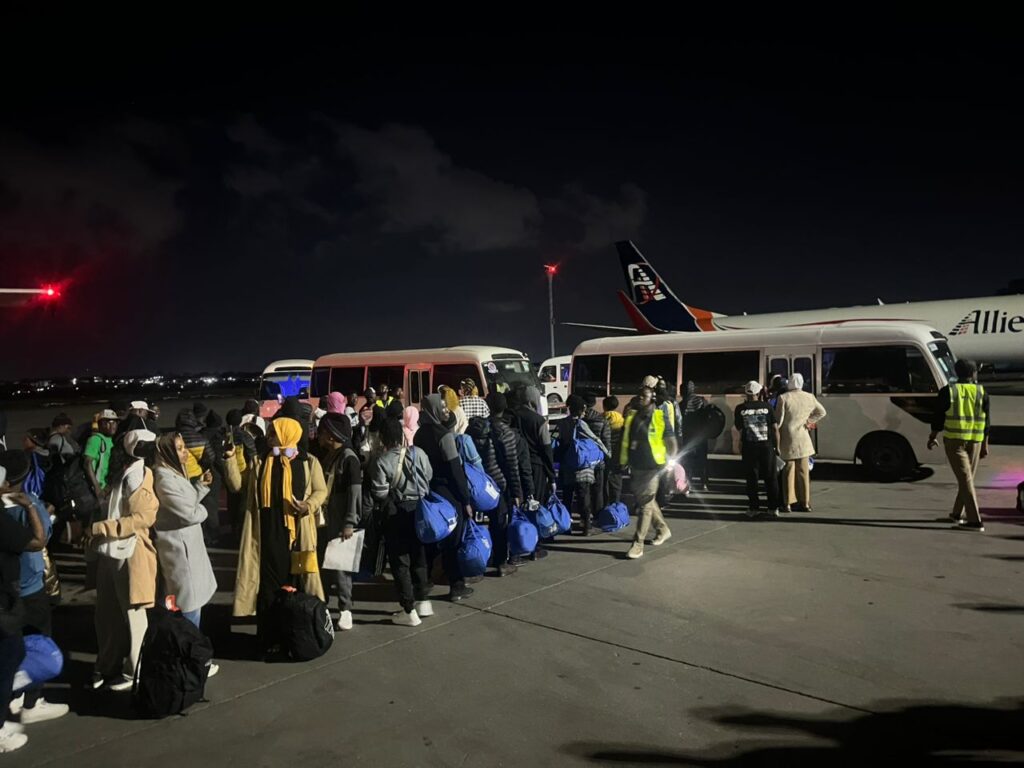
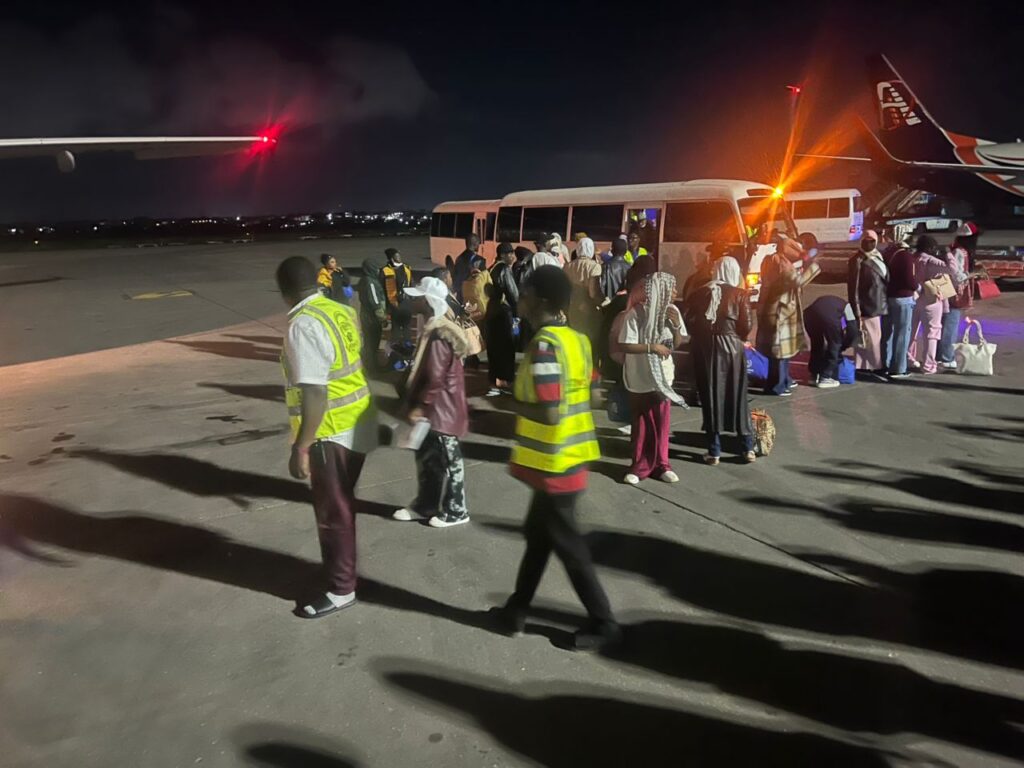
Miracle Ikechukwu, not her real name, was among 182 migrants recently repatriated from Benghazi, Libya, by the International Organization for Migration after volunteering to return home. Her experience, shared with Michael Olukayode, highlights the dangers that await intending irregular migrants.
HER STORY:
My name is Miracle Ikechukwu. I never imagined that a relationship built on trust would become the beginning of one of the most painful chapters of my life.
The man I was dating knew my mother well. He told her he wanted to take me abroad and promised we would travel together. Between us, we agreed I would be going on what I believed was a vacation. He instructed me to travel to Kano, assuring me he would meet me there. Instead, I was drawn into a nightmare.
From Kano, I was moved from place to place without understanding what was happening. One moment I was in the bush, the next in the desert. Every time I asked questions, I received no meaningful answers. I had not agreed to any of it. Decisions about my life were being made without my knowledge or consent.
The journey through the Sahara Desert was one of the most traumatic experiences of my life. For days, we survived without proper food or clean water. We drank from the same water sources used by animals. Hunger became so severe that at times I ate sand simply to ease the pain in my stomach.
WHEN I ARRIVED IN LIBYA, I REALIZED I HAD BEEN DECEIVED
In Benghazi, I was handed over to people who informed me that I owed money and would have to work to repay a debt I never agreed to. When I protested, I was threatened. I was told that if I caused trouble, the police would arrest me.
I kept asking myself how I had ended up in a foreign country without any control over my own life.
To survive, I accepted domestic work under extremely harsh conditions. I spent months working long hours, cleaning, cooking, and caring for households. The work was physically exhausting. Even today, I live with chronic pain in my back and legs from the strain of those years.
At times, I worked for months without receiving any salary. Whenever I demanded payment, I was threatened with arrest or deportation. Fear became a constant companion.
Life in Libya was marked by uncertainty and insecurity. Police raids were common. Migrants could be arrested without committing any crime. Many of us lived with the fear that at any moment we could be detained, abused, or exploited.
As difficult as the physical suffering was, the emotional pain proved even harder to bear.
WHILE I WAS IN LIBYA, MY MOTHER DIED
No one informed me immediately. By the time I learned the truth, she had already been buried. I was devastated. Not long afterward, I also lost a cousin and became separated from my eldest sister, who remains missing to this day.
The guilt of not being there for my mother continues to haunt me. Many people in my community blamed me for leaving home. Some said that if I had stayed, my mother might still be alive. Whether true or not, those words have remained with me.
The man who deceived me and set me on this path eventually died, but his actions left scars that will remain with me forever.
After two years in Libya, I reached a point where I could no longer continue. My body was broken, my spirit was exhausted, and I knew I needed a way home.
THAT OPPORTUNITY CAME THROUGH THE INTERNATIONAL ORGANIZATION FOR MIGRATION
Through IOM’s Assisted Voluntary Return and Reintegration programme, I was able to begin the journey back to Nigeria. For many migrants stranded in Libya and other transit countries, the programme provides a lifeline, offering safe return assistance, protection, counselling, and support for reintegration.
FOR ME, IT REPRESENTED HOPE
After years of hardship, exploitation, and uncertainty, I finally had an opportunity to return home with dignity.
Beyond facilitating my return, IOM’s reintegration support offers returning migrants the chance to rebuild their lives through vocational training, business support, education opportunities, psychosocial assistance, and other programmes designed to help migrants become self-reliant and productive members of their communities.
These opportunities are critical because returning home is only the first step. Many migrants come back with physical injuries, emotional trauma, and financial difficulties. Reintegration support helps transform the return journey into a new beginning.
Today, I am determined to take advantage of every opportunity available to me. My goal is not simply to survive but to rebuild my life, support my family, and create a future that was nearly taken away from me.
My family still faces challenges. One of my sisters remains missing. Another is struggling to return home from Burkina Faso. My younger siblings continue to need support following our mother’s death.
DESPITE EVERYTHING, I HAVE NOT GIVEN UP
My message to young Nigerians is simple: be careful. Do not allow desperation, peer pressure, or false promises to push you into dangerous migration routes. Ask questions. Verify information. Speak with your family. Seek legitimate pathways for travel and employment.
NO DREAM IS WORTH RISKING YOUR LIFE
I left Nigeria believing I was going on a vacation. Instead, I became trapped in a cycle of exploitation and suffering. Today, thanks to the support that made my return possible, I have a second chance. I intend to use it.
Miracle Ikechukwu’s story is not only one of survival. It is also a story of resilience, recovery, and the possibility of transformation when returning migrants are given the support they need to rebuild their lives and reclaim their futures.
