
FG rolls out vaccines, nets and chemoprevention for 29 million children as prevalence falls to 15% from 42% in 2010
By Hassan Hussain | 27 April 2026
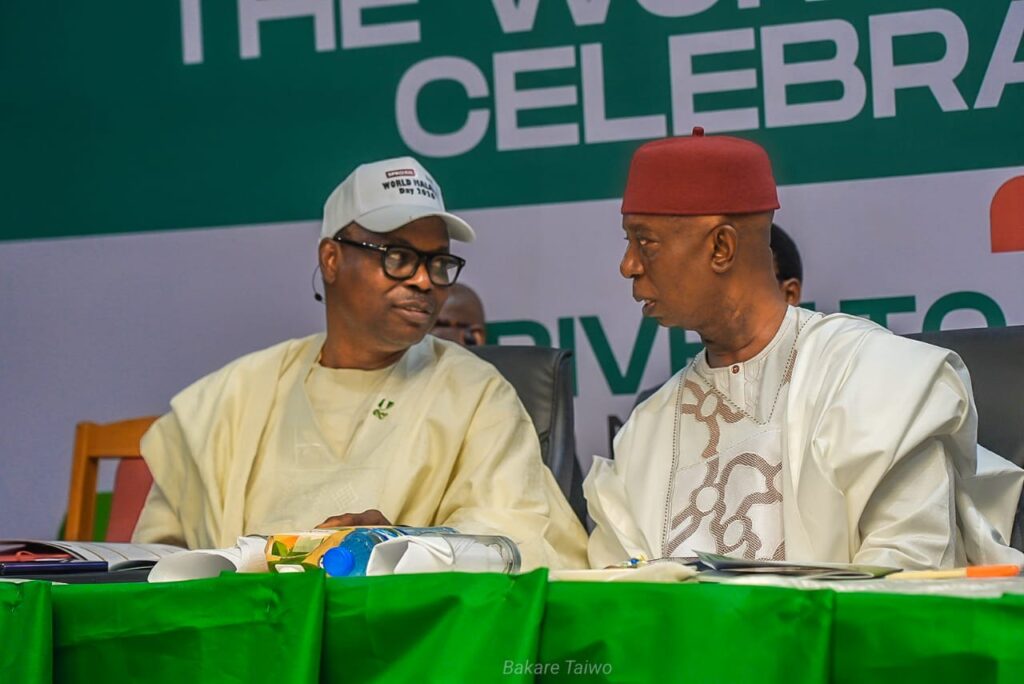
The Minister of State for Health and Social Welfare, Dr Iziak Adekunle Salako, has reaffirmed Nigeria’s commitment to eliminating malaria, describing the disease as a major public health threat that requires urgent and sustained action.
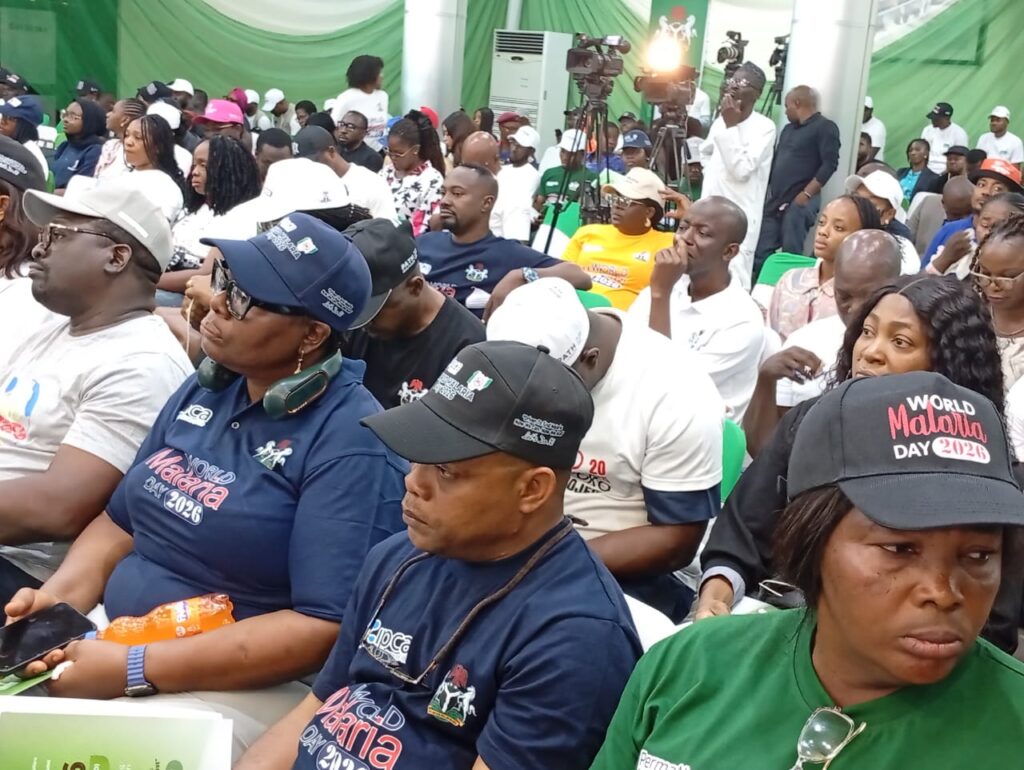
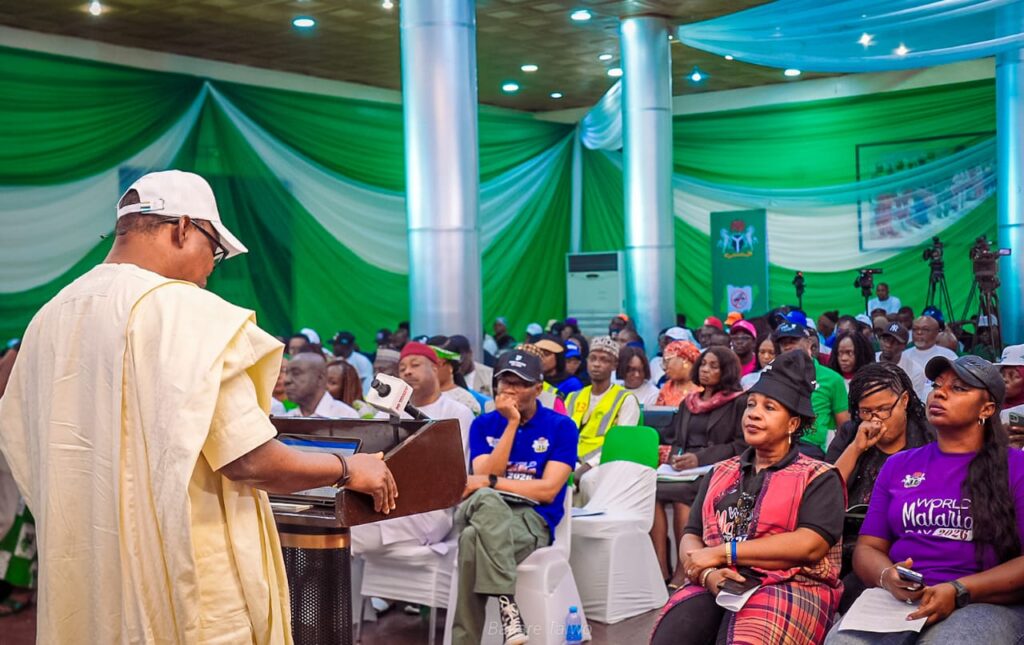
Dr Salako spoke at a ministerial media briefing and roundtable in Abuja to commemorate World Malaria Day 2026. He said the theme for this year’s commemoration, “Driven to End Malaria: Now We Can, Now We Must”, captures the urgency and renewed resolve needed to tackle the disease. Let’s do it.
He noted that while the day serves as a moment to celebrate progress made in the fight against malaria, it is also a reminder of the lives still at risk and the work that remains to be done.
The Minister declared that Nigeria is treating malaria elimination as a national priority, backed by concrete actions, strategic partnerships, and renewed determination.
He stressed that malaria should no longer be regarded as an ordinary illness, pointing out that it continues to claim lives, particularly among children and pregnant women, while also weakening families and impacting the nation’s economy.
According to the 2025 World Malaria Report, Nigeria accounts for about 24 per cent of global malaria cases and 31 per cent of malaria-related deaths, a situation he described as a national emergency demanding urgency and discipline.
Despite the burden, Dr Salako highlighted notable progress, stating that malaria prevalence in Nigeria has dropped to 15 per cent from 42 per cent recorded in 2010, based on the 2025 Malaria Indicator Survey.
He added that transmission levels have also declined, with 27 states now classified as moderate transmission and nine states, including the Federal Capital Territory, categorised as low transmission areas, with no state currently in the high transmission category.
The Minister said the administration of President Bola Ahmed Tinubu has placed malaria elimination at the centre of its Renewed Hope Agenda, emphasising that the fight against the disease is a strategic priority.
He disclosed that the Federal Government, through the Rethinking Malaria Initiative, has developed a National Malaria Strategic Plan for 2026 to 2030 aimed at reducing malaria prevalence and mortality by 50 per cent by the year 2030.
Dr Salako also revealed that over 500 million insecticide-treated mosquito nets have been distributed nationwide since 2015, with plans to expand distribution to 11 states, including the Federal Capital Territory.
In addition, he said Seasonal Malaria Chemoprevention will be implemented in 21 states, targeting about 29 million children under the age of five, while new interventions such as Larval Source Management are being piloted in selected states.
The Minister further noted the ongoing rollout of malaria vaccines, which began in December 2024 in Kebbi and Bayelsa States and has now been extended to Bauchi and Ondo States, with over 700,000 children already benefiting.
He emphasised that strengthening diagnosis, treatment, surveillance, and data systems remains critical to achieving malaria elimination.
Dr Salako called for stronger collaboration among stakeholders, including government at all levels, development partners, health workers, and the private sector, stressing that malaria elimination cannot be achieved by government alone.
He reaffirmed Nigeria’s partnership with global organisations such as the World Health Organization, UNICEF, and the Global Fund, among others.
The Minister urged Nigerians to renew their resolve, noting that malaria is preventable, treatable, and beatable, adding that collective action will drive the country toward a malaria-free future.
The National Coordinator of the National Malaria Elimination Programme, Dr Nnena Ogbulafor, explained that although 25 April is officially designated for the global commemoration, this year’s grand finale was held on a Monday to enable wider participation, following a series of pre-event activities.
She noted that the annual event provides Nigeria the opportunity to present its progress, challenges, and strategies in the fight against malaria to stakeholders, including development partners and the private sector.
According to her, the latest Malaria Indicator Survey shows encouraging progress, with prevalence reduced to 15 per cent from 22 per cent recorded in 2021, a development she described as a strong indication that ongoing interventions are yielding results.
Dr Ogbulafor highlighted key strategies driving the progress to include the rollout of malaria vaccines, seasonal malaria chemoprevention, nationwide distribution of insecticide-treated bed nets, as well as sustained testing and treatment campaigns.
The NMEP Coordinator also stressed that eliminating malaria goes beyond the health sector, noting that the Ministry of Health alone cannot achieve the goal.
She said a multi-sectoral approach involving ministries such as Environment, Defence, and Science and Technology, among others, has been adopted to ensure collective action.
Dr Ogbulafor added that a comprehensive roadmap has been developed to guide collaboration across sectors, with all stakeholders now better aligned on their roles in reducing the malaria burden.
She expressed optimism that with sustained commitment and coordination, Nigeria is on track to achieving further reductions in malaria prevalence and ultimately eliminating the disease.
In a remark, the lawmaker representing Delta North Senatorial District, Senator Ned Nwoko, emphasised the need for stronger collaboration between the National Assembly and relevant stakeholders to eliminate malaria in the country.
He noted that efforts at the National Assembly are geared towards building synergy with government agencies, development partners, and international organisations to achieve sustainable results in the fight against malaria.
The lawmaker expressed satisfaction that initiatives he championed over the years are beginning to yield positive outcomes, particularly with renewed commitment from agencies to work closely with global partners interested in supporting malaria elimination programmes in Nigeria.
Senator Nwoko also reaffirmed his readiness to continue engaging, reviewing, and supporting ongoing interventions aimed at tackling the disease, stressing that collective action remains key to achieving a malaria-free nation.
He appreciated the organisers of the briefing for the opportunity to contribute, while urging all stakeholders to remain committed to the shared goal of eradicating malaria in the country.
