
By Hassan Hussain
The Federal Government says it is intensifying efforts to transform cancer care in Nigeria through increased investment in infrastructure, equipment, research and financial protection for patients.
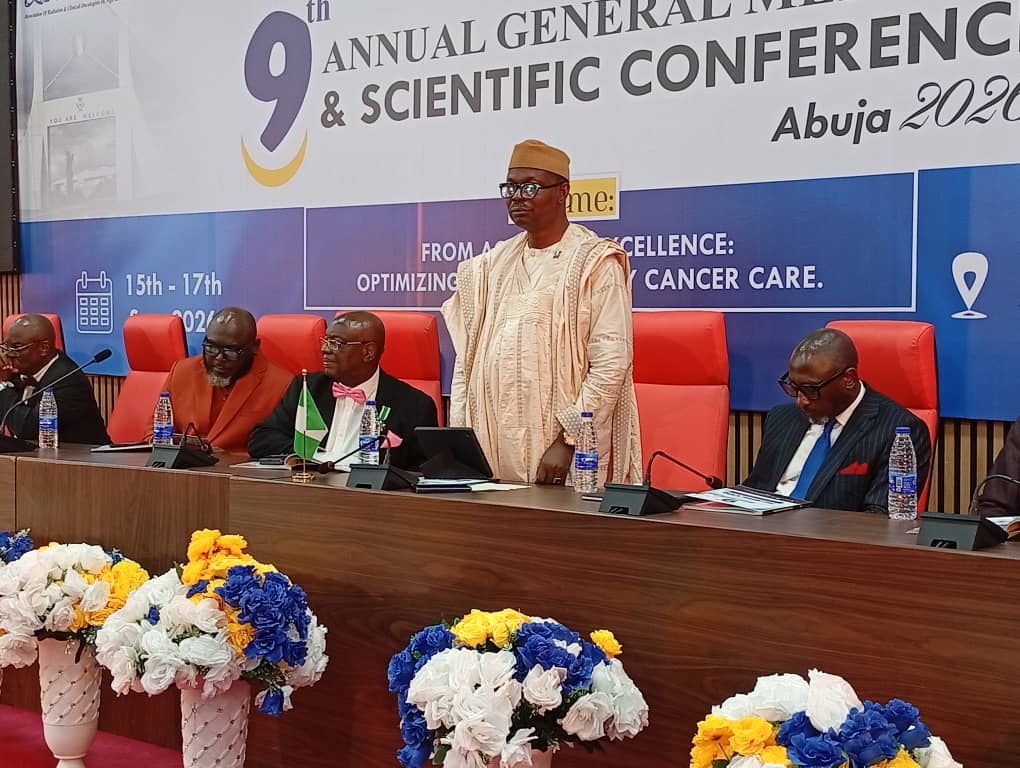
The Minister of State for Health and Social Welfare, Dr. Iziaq Salako, stated this in Abuja while delivering the keynote address at the 9th Annual General Meeting and Scientific Conference of the Association of Radiation and Clinical Oncologists of Nigeria, ARCON, with the theme: “From Access to Excellence: Optimising Multimodality Cancer Care.”
Dr. Salako said the government had remodelled its cancer care expansion programme in partnership with the Nigeria Sovereign Investment Authority, NSIA, resulting in the establishment of ultra-modern tertiary oncology centres at the Federal Teaching Hospital, Katsina; University of Nigeria Teaching Hospital, Enugu; and University of Benin Teaching Hospital. He said additional centres were being developed in other parts of the country as part of plans to establish 10 world-class oncology and diagnostic facilities across the six geopolitical zones.
The Minister also announced Federal Executive Council approval for the procurement of 35 additional linear accelerators over the next three years to expand radiotherapy services in federal tertiary hospitals. He said the government had launched and costed the National Cancer Control Plan 2026–2030 and the Nigeria Nuclear Medicine Strategic Plan, with a target of reducing cancer mortality by 30 per cent by 2030.
Dr. Salako said approval had also been given for the construction and full equipping of a state-of-the-art National Cancer Institute, expected to be completed within 36 months. He added that the National Health Insurance Authority was working on a targeted cost-sharing arrangement to subsidise radiotherapy for eligible low-income and vulnerable cancer patients.
The Minister said the government was also strengthening prevention through vaccination, screening, early diagnosis and the development of specialised oncology manpower.
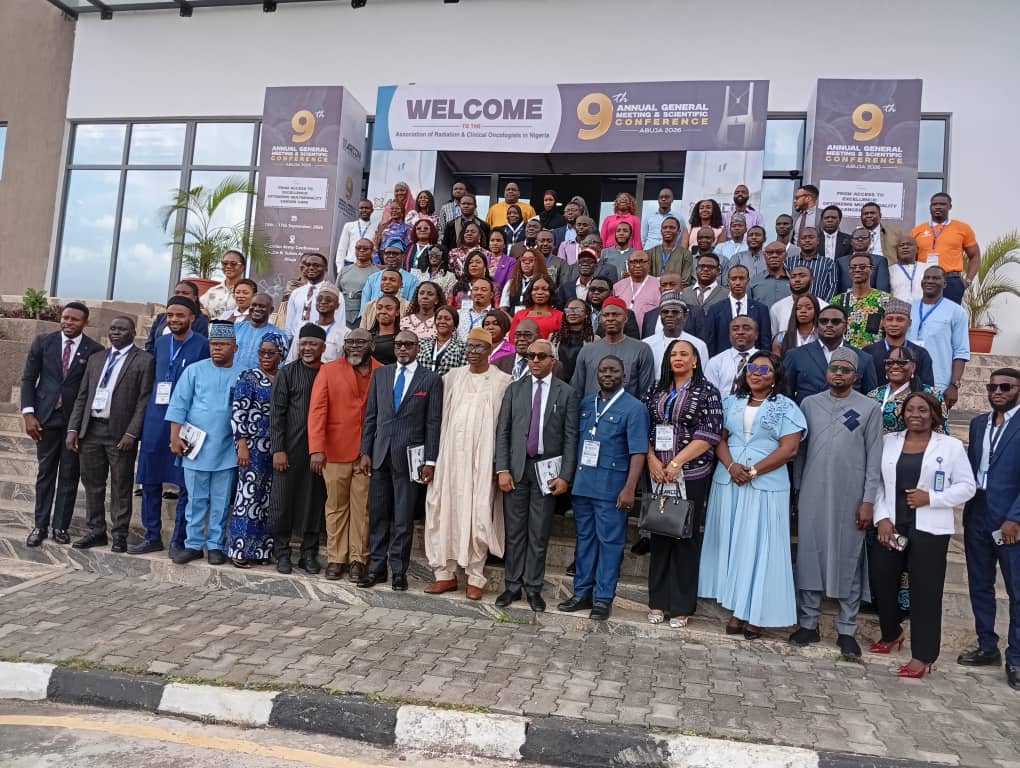
In his remarks, the Chairman of the occasion and Chairman, House Committee on Health, Dr. Magaji Gwamna, described cancer as a disease that affects people irrespective of their social or economic status.
Dr. Gwamna called for sustainable financing of cancer care, stronger health insurance coverage and greater investment in primary healthcare centres, stressing that cancer prevention and early detection must begin at the grassroots.
He said the National Assembly had increased funding for healthcare and cancer care in the 2025 budget, while efforts were underway to strengthen health insurance and provide financial protection for vulnerable Nigerians.
The lawmaker also urged healthcare professionals to communicate diagnoses and treatment options to patients in simple language they could understand, saying effective cancer care must involve coordinated efforts among oncologists, surgeons, radiotherapists, pathologists, nurses, pharmacists and other specialists.
Earlier, the Acting President of the Association of Radiation and Clinical Oncologists of Nigeria, Dr. Biyi Olutunde Olusegun, said the theme of the conference reflected the need to move beyond merely providing access to cancer services to ensuring that patients receive safe, coordinated and excellent care.
Dr. Olusegun said cancer care was not the responsibility of a single medical specialty, stressing the importance of multidisciplinary teams, stronger referral systems, professional development and collaboration.
Also speaking, the Director-General of the National Institute for Cancer Research and Treatment, NICRAT, Professor Usman Malami Aliyu, congratulated the association for its contribution to advancing oncology practice in Nigeria.
Professor Aliyu said NICRAT was working with the Federal Ministry of Health, healthcare institutions, professional bodies and development partners to strengthen the cancer care continuum, including prevention, early detection, diagnosis, access to essential medicines, financial protection, cancer registration, research, biobanking and clinical trials.
He said radiotherapy remained indispensable to comprehensive cancer care, adding that NICRAT had secured presidential approval for the construction of its permanent headquarters as part of efforts to position the institute among Africa’s leading cancer research and treatment centres.
