
{By Danjuma Amodu
In Nigeria’s bid to link climate action with national security, the Federal Government on Monday opened a three-day international forum in Abuja, urging conflict-affected countries to integrate peacebuilding into their National Adaptation Plans .
The Peer Learning Forum on the National Adaptation Plan Process in Conflict-Affected Countries, holding from 5 – 7 May at the Abuja Continental Hotel, is co-hosted by the Federal Ministry of Environment and the NAP Global Network. Delegates from Burkina Faso, Cameroon, Central African Republic, Chad, Liberia, Mali, Somalia, South Sudan, and other fragile states are attending.
Declaring the forum open, the Permanent Secretary, Federal Ministry of Environment, Salihu Aminu Usman, warned that climate change impacts are escalating daily, with extreme weather threatening livelihoods and biodiversity across the globe.
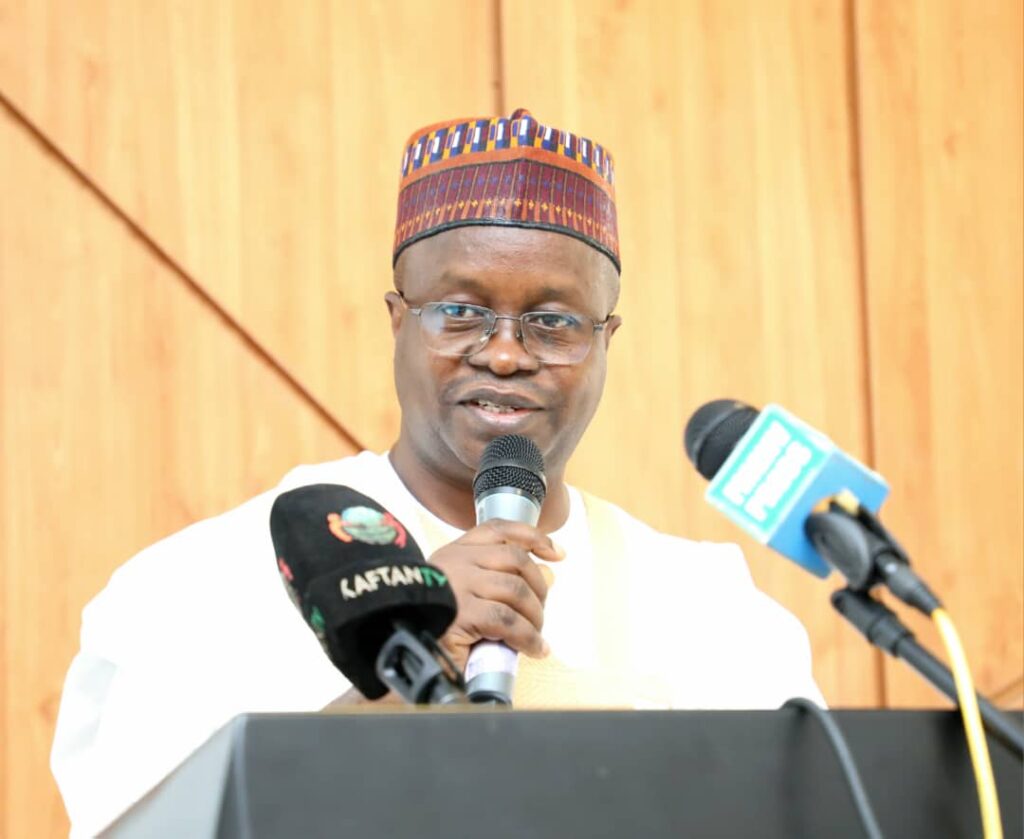
“Links between climate change and fragility mean that it would be a mistake to ignore medium- and long-term adaptation needs in these peacebuilding contexts,” Usman said. “Conflicts such as farmer-herder crises, cattle rustling, and banditry, which currently threaten the security of our country, can be linked to climate change.”
He argued that while climate change and conflict often reinforce each other, well-designed adaptation can break the cycle by improving social well-being and tackling the root drivers of fragility. “Doing so in conflict-affected and peacebuilding contexts requires strategies for conflict-sensitive adaptation planning that understands local conflict dynamics associated with climate change,” he added.
Usman disclosed that Nigeria’s National Adaptation Plan, supported by the Green Climate Fund , is in its final stage of completion. The NAP builds on the National Adaptation Strategy & Plan of Action and includes findings from a Climate Risk and Vulnerability Assessment that identified community vulnerabilities and proposed adaptation options.
He stressed that conflict-sensitivity must run through the NAP process because implementation will reach conflict-prone areas. “Adaptation strategies and options should be implemented through the ‘eye’ of conflict sensitivity. Hence, the importance of this Forum where ideas and knowledge will be shared on how to proceed with NAP implementation in the context of conflict-sensitivity and peacebuilding,” he said.
In her welcome remarks, the Director, Department of Climate Change, Dr Iniobong Abiola-Awe, said extreme weather events and climate variability are disrupting key sectors and infrastructure, and worsening security challenges in Nigeria.
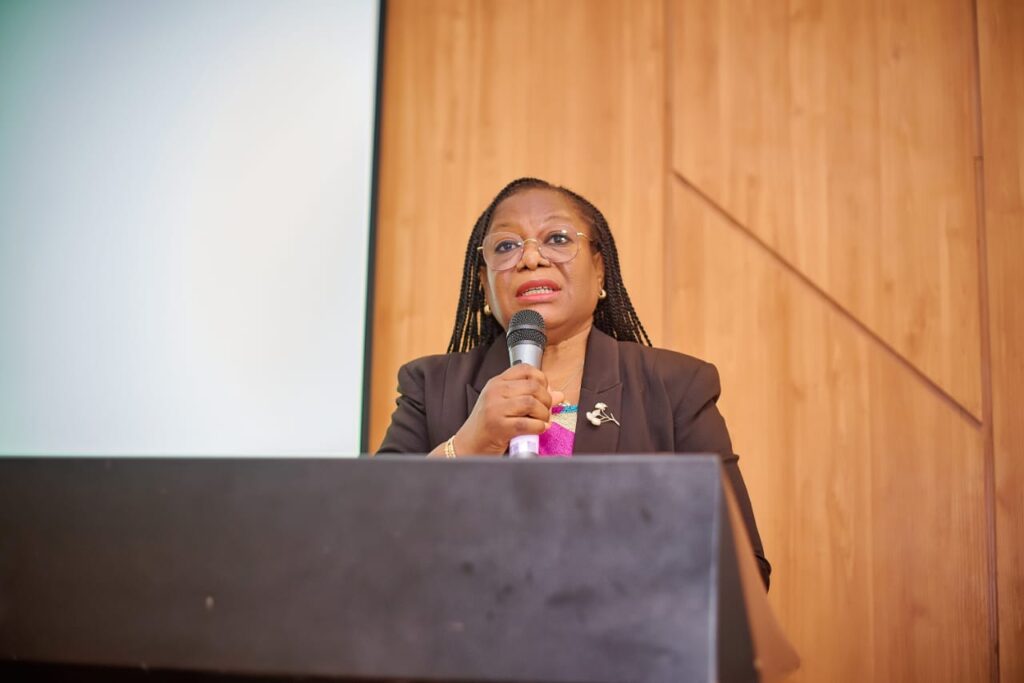
“Nigeria has validated its National Adaptation Plan as a means of identifying medium to long-term adaptation needs, developing and implementing strategies and programmes to address those needs in a participatory and fully transparent approach,” she said. “Nigeria has also integrated conflict-sensitivity and peacebuilding issues into its NAP.”
Dr Abiola-Awe said the forum would allow countries to exchange knowledge on implementing NAPs with a conflict-sensitive lens. “It is important that Conflict-Sensitivity Issues be factored into both Adaptation and Development Plans at all levels,” she noted.
Speaking at the event, the Director of Nature for Resilience at the International Institute for Sustainable Development , Alec Crawford, said the overlap between climate risks, war, and conflict is now a lived reality.
“Climate change is not something that will happen in the future. It is something we are all dealing with now,” Crawford said. “The question is not only how climate adaptation can be delivered in conflict-affected contexts, but how it can be designed to respond to conflict dynamics and actively support peacebuilding.”
He thanked Nigeria for its hospitality and acknowledged the Government of Ireland for financing the forum. “We are very grateful to the Government of Nigeria and honoured to co-host this event,” he said.
Usman commended President Bola Ahmed Tinubu, GCFR, and the Minister of Environment, Mallam Balarabe Abbas Lawal, for their leadership. He also thanked the NAP Global Network for technical and financial support.
Organisers said the forum will feature technical sessions, policy dialogue, and peer learning on integrating peacebuilding into adaptation planning, sharing country experiences, and deepening collaboration among environment, security, and development actors.
Established under the UNFCCC Cancun Adaptation Framework in 2010, the NAP process helps developing countries identify medium and long-term adaptation needs. Nigeria’s NAP, backed by the Green Climate Fund, is in its final validation stage.
