
By Danjuma Amodu
The Federal Government has called for stronger sanctions against wildlife crimes, saying inadequate punishment has contributed to the depletion of Nigeria’s wildlife population.
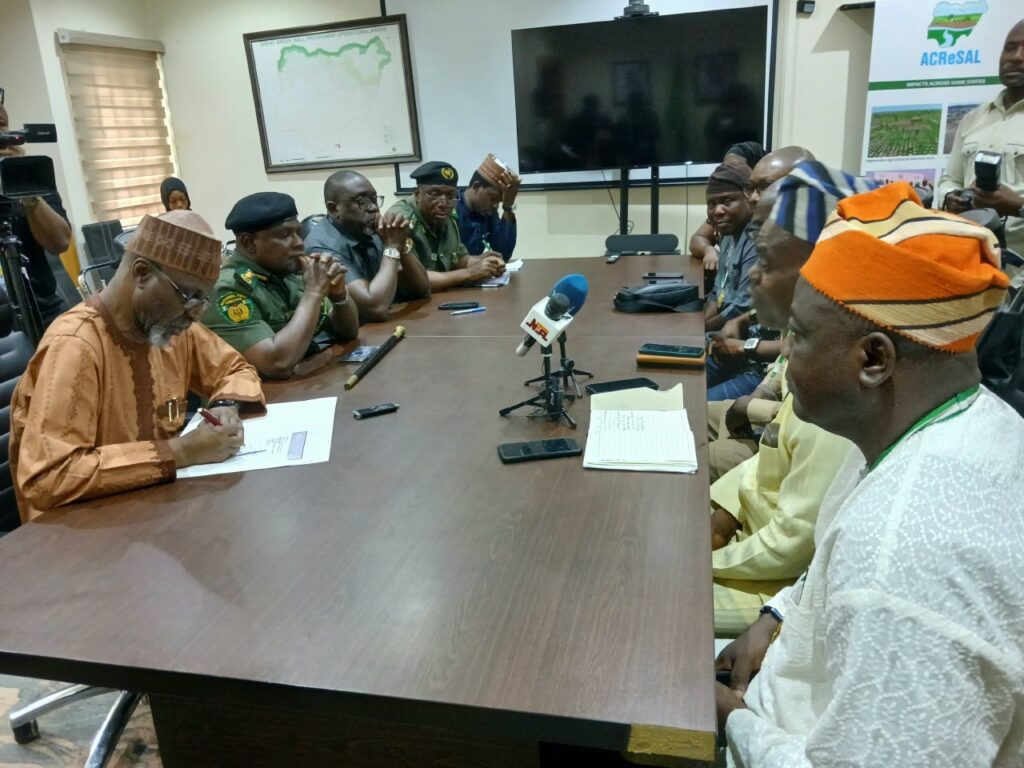
The Minister of Environment, Malam Balarabe Lawal, made the call during the eighth Annual Conference of the Wildlife Society of Nigeria (WISON) in Abuja on Thursday.
The conference was organised in collaboration with the National Park Service (NPS).
Lawal expressed concern that several wildlife species that were abundant in the 1960s had disappeared or become endangered due to bushmeat consumption and indiscriminate killing.
He stressed the need for sanctions capable of deterring people from killing or trafficking wildlife, particularly elephants and other endangered species.
The minister advocated the introduction of wildlife crime studies at undergraduate level in Nigerian universities, particularly in law and other relevant faculties.
He said most Nigerian lawyers and judges had limited specialised training in environmental and wildlife crimes, making undergraduate education important for building expertise.
Lawal said wildlife was an integral part of Nigeria’s flora and fauna and should be protected for present and future generations.
He urged environmental experts and academics to extend their activities beyond universities by engaging forest communities, local authorities and other stakeholders.
The minister described the media as an important partner in raising awareness and ensuring accurate reporting of wildlife conservation and environmental issues.
He pledged to work with relevant organisations to explore funding opportunities and provide resources needed to strengthen wildlife conservation and combat environmental crimes.
Lawal noted that countries such as Kenya, Tanzania, Rwanda and Australia had invested significantly in wildlife conservation and urged stronger support for similar efforts in Nigeria.
He commended environmental experts for their efforts, stressing that protecting wildlife required collaboration among government, academics, communities, media and conservation organisations.
Prof. Omotola Jayeola, National President of WISON, said the society provides a professional voice for wildlife practitioners, advocating policies and guidelines that protect Nigeria’s natural heritage.
He said WISON’s eighth annual conference, themed “Human-Wildlife Interactions and Sustainable Protected Area Management,” brings together professionals, practitioners, scientists and civil society organisations to advance wildlife conservation.
Jayeola said the society had intervened when elephants strayed into Oyo State, particularly Saki, assessing impacts on farmers and engaging relevant government agencies to facilitate the animals’ protection.
He commended the National Park Service and the Federal Ministry of Environment for supporting the conference, adding that WISON would strengthen collaboration while honouring stakeholders contributing to environmental stewardship.
Also, the Conservator-General of the NPS, Dr Ibrahim Goni, called for stronger collaboration among stakeholders to promote sustainable wildlife conservation and protected area management.
Goni said national parks were engines of biodiversity conservation but existed within landscapes shared with communities whose livelihoods depended on natural resources, requiring mutually beneficial relationships.
He said addressing human-wildlife conflict required understanding its drivers, mapping hotspots, strengthening early-warning systems, developing mitigation mechanisms and promoting alternative livelihoods, while deploying technology for effective conservation.
